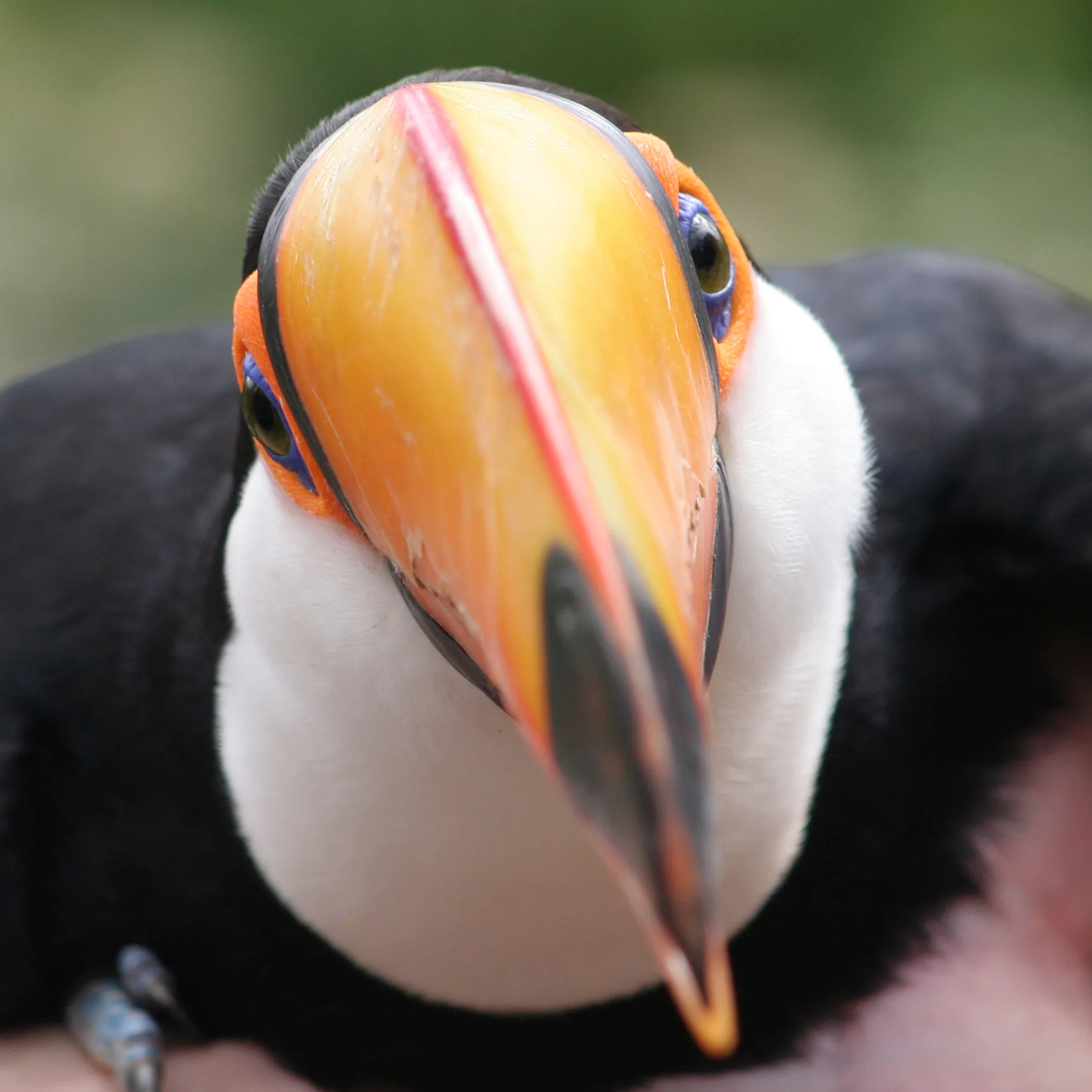
Planet Zoo 2 bird aviary size is species-dependent. Use the Zoopedia to identify what your birds require, then compare that requirement with the Flyable Area shown in the aviary's Info Panel. If the birds need more flying space, increasing roof height or expanding the habitat are confirmed options. As of 12 October 2026, the game is unreleased, so a trustworthy table of launch-build species minimums is not yet available here. There is no supported universal aviary dimension that can replace the game’s own species requirements.
The practical goal is an enclosure with enough usable air space for its actual inhabitants. A large footprint, a tall roof, and a dramatic skyline are different things. Plan the roof and habitat outline together, then inspect what the game recognizes. This guide focuses on sizing and adjustment; it does not assume that a visually impressive aviary automatically satisfies every bird inside it.
Define the population before choosing dimensions
Start with the species and group you intend to keep. Flying-space requirements differ between species, so the inhabitant list belongs ahead of the final footprint in the design process. If the population plan changes, return to the size checks before adding more birds.
Use the current Zoopedia information rather than a predecessor enclosure calculator. The original game's birds, walkthrough exhibits, and terrestrial habitat values do not establish the sequel's flying-space rules. A familiar species name also does not prove that its old habitat dimensions still apply.
For a mixed aviary, first establish which species can live together. Some birds can cohabit with other birds and terrestrial animals, but this is selective. Compatibility is a separate question from size: a compatible collection can still need an environment that meets several different requirements.
Write down the population as a plan, not as an invented formula. Useful fields include the species, intended group, nesting requirements if breeding is planned, and whether the habitat will be a walkthrough. Leave any missing launch values blank until the relevant in-game information is available.
Distinguish footprint, roof height, and Flyable Area
The habitat footprint is the ground outline you build with barriers. The roof creates enclosed space above that outline. Flyable Area is the reported measure to check against the birds' needs. These concepts relate to one another, but they should not be treated as interchangeable.
A roof that looks high at one point may not create the same shape across the whole habitat. Pillars can adjust the roof, and the roof connects to nearby barrier posts. A design that is tall in the center and lower at its edges can therefore look different from a simple flat cover over the same boundary.
Use the Info Panel reading to assess the actual result. Do not estimate a box volume from the maximum height and ground dimensions and present that as the game’s flight calculation. The published feature information establishes where to read the value, but does not provide a formula for deriving it by hand.
The same caution applies to terminology. A screenshot of an aviary can show its shape, but it cannot establish a numeric requirement unless the relevant measurement is visible and applicable to your species. Copying a beautiful structure is a design starting point, not a verified sizing shortcut.
Begin with a shape that is easy to inspect
A simple initial enclosure makes later comparisons more useful. Create the contained barrier loop, include the staff gate, and generate the roof through Add Roof. The roof starts as a flat cover spanning the habitat, giving you a clear baseline before you begin complex customization.
This is a suggested learning approach, not a rule that every bird requires a rectangular aviary. The tools support tent-like, domed, and other shapes through pillar placement and roof adjustments. A straightforward first shape helps you see what those changes do to the space reading.
Reserve flexibility around the enclosure while learning the species requirements. If you surround every side with finished buildings and intricate scenery immediately, expanding the boundary can become a larger design project. An unfinished surrounding area gives you practical room to respond to the measurements.
Decide where the main viewing route and staff access should be without freezing every decorative detail. Sizing corrections are easier to reason about when the functional arrangement is understandable. The goal at this stage is a space you can evaluate rather than a polished enclosure whose limitations are hard to change.
Compare the species requirement with the reported space
Once the basic aviary exists, read its Flyable Area through the Info Panel and compare it with the relevant Zoopedia requirement. After birds arrive, inspect their welfare for indications that additional flying space is needed. These checks provide the direct feedback for your sizing decision.
If the value is insufficient, identify which part of the design you can change most sensibly. You may have room to enlarge the boundary, or the roof may be the more flexible part of the enclosure. There is no confirmed rule that one option is always cheaper or more effective.
Use a before-and-after comparison. Note the current reading, make one substantial spatial change, and read the result again. This helps you learn what the game counts in your design without claiming to know the internal formula.
Do not confuse a successful space adjustment with complete welfare. Flying birds also need suitable food, water, environment, enrichment, and social conditions. An animal can need another improvement after the flying-space requirement is met. This page's size check should isolate that requirement rather than turning the whole welfare system into a single number.
Raise the roof when the footprint should stay stable
Pillar height and placement can shape the roof. Increasing roof height is a confirmed option when welfare indicates that birds need more flying space. It can be a useful adjustment to test when paths or neighboring habitats make a footprint expansion inconvenient.
Inspect the roof as a whole after making the change. The central peak is only part of the shape, while the enclosure still connects around its boundary. Compare the reported Flyable Area instead of assuming that raising a single visible point produces a predictable proportional increase.
Roof customization also includes pillar rotation, roof material, and convexity. These are creative options; the provided feature information does not establish a universal conversion from a setting to usable flight space. Use them to build the intended shape and let the actual reading determine whether the space requirement is satisfied.
Avoid treating a height increase as a solution to every problem. If a bird cannot reach a resource or the social arrangement is inappropriate, a taller roof does not address those conditions. Identify the missing requirement before making structural changes.
Expand the boundary when more horizontal room is useful
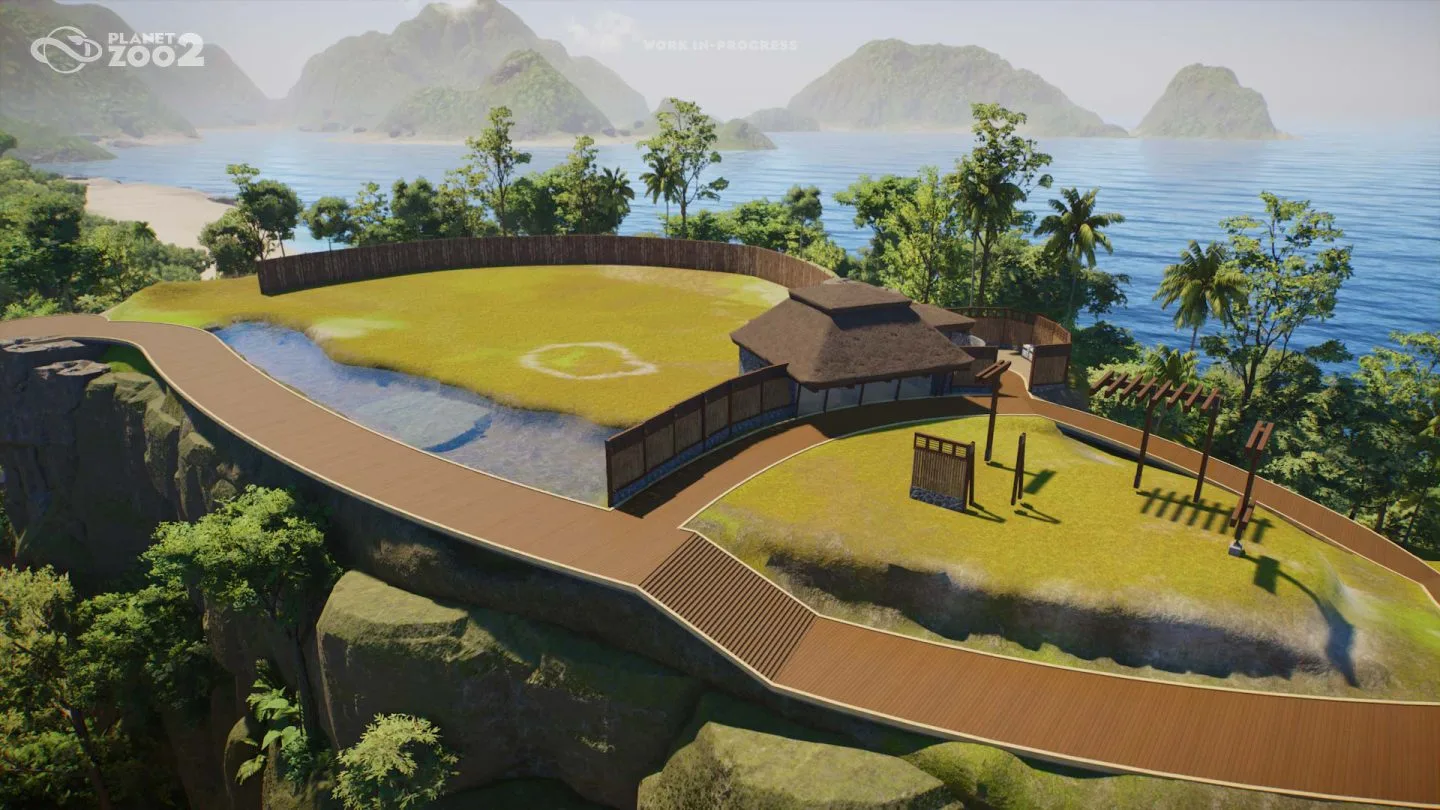
Expanding the habitat is another confirmed way to add flying space. This can suit a design where you have preserved room beside the existing aviary or want a wider arrangement of perches, resources, and viewing areas.
Plan which side to expand according to the surrounding layout. Consider the staff gate, guest route, and the relationship between the aviary and nearby habitats. This is spatial planning advice rather than a claim about a required path distance or a specific placement penalty.
After expanding, check both the roof shape and the reported Flyable Area. An enclosure's outline and its roof are connected. Do not assume that a larger ground loop is sufficient evidence of a suitable finished aviary without reviewing the actual habitat information.
Keep the expanded part functional. Extra scenery can make the new area look complete, but the birds still need usable movement, perches, and care. Begin by inspecting the revised space, then add decorative details that support rather than obscure the planned environment.
The best expansion is the one that solves the measured need while keeping the zoo understandable. There is no established reason to enlarge every aviary equally. Different species, populations, and surrounding layouts call for different decisions.
Account for how birds use the space
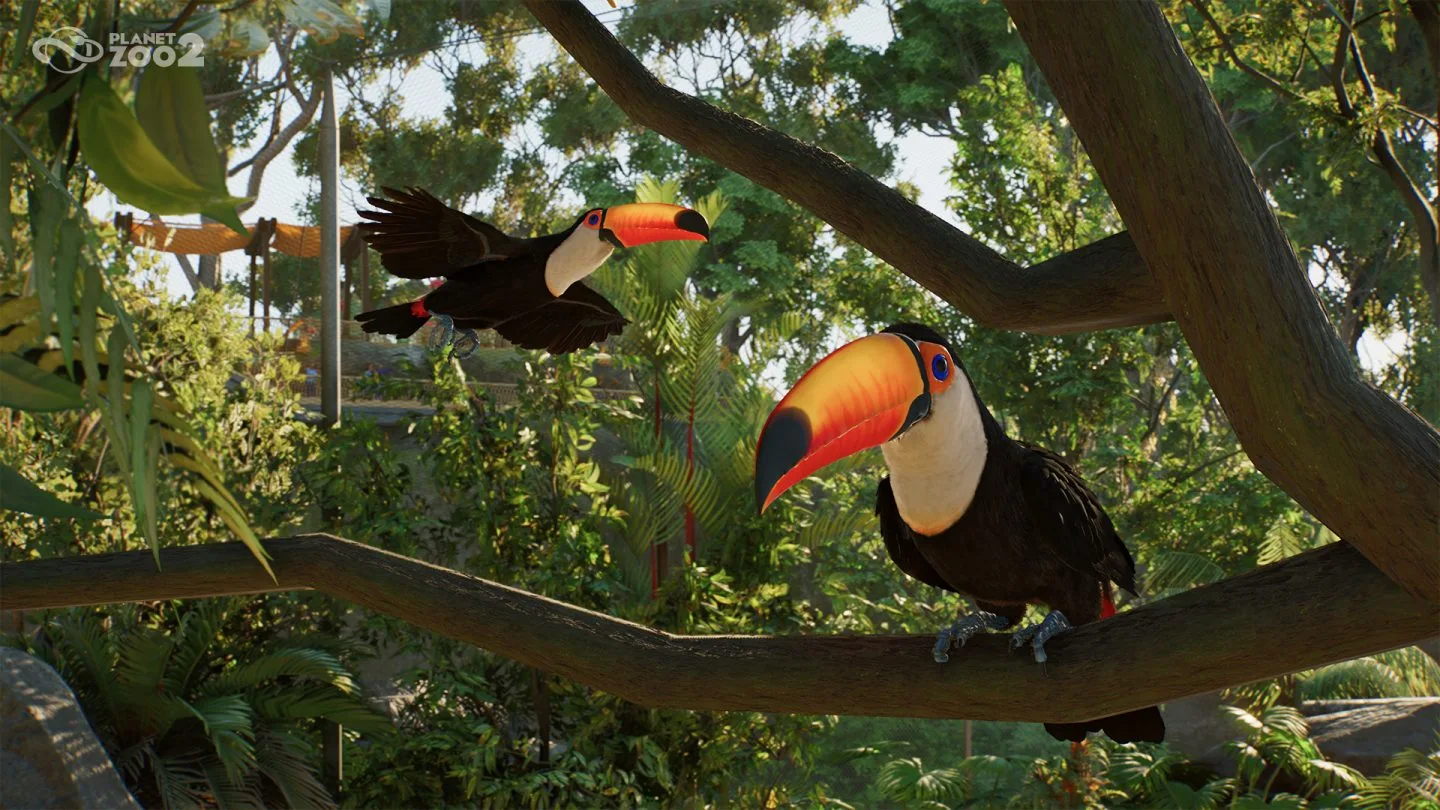
Some arboreal birds prefer perching in trees and on suitable habitat objects. Other birds spend more time walking on land or in shallow water. The flying-space requirement matters to all flying species, but the way they use the enclosure is not identical.
Use the species behavior as a design cue. Keep meaningful space between the important parts of the environment, and consider how a bird reaches a feeding station or a perch. A perch may be present without offering a clear route for the bird to approach it.
These observations should not become unsupported numerical rules. The supplied information does not establish how many trees, perches, or landing routes every species needs. The useful principle is to review accessibility and welfare rather than counting decorative pieces and assuming that their number guarantees success.
A bird that is not flying at a particular moment does not prove the enclosure is too small. It may be perching, resting, or behaving according to its species preferences. Use the actual space and welfare information to determine whether a sizing problem exists before redesigning the roof.
Recheck size as the family changes
Breeding can change the population you are planning for. Flying birds use suitable nesting sites, hatch as nestbound young, and later fledge. Fledged birds have their adult-looking plumage while still being juveniles; they do not count against adult population limits until sexual maturity.
This means appearance alone is not enough to classify every bird as an adult. Use the animal information when checking the current group. Do not calculate a final population requirement from visual plumage or assume that the first successful brood can remain indefinitely without another review.
The published material does not provide a verified universal population scaling formula for Flyable Area. When your family changes, return to the Zoopedia and the current habitat information. Do not multiply a guessed minimum by the number of birds and label it a game requirement.
If breeding is part of your long-term plan, preserve a way to adjust the enclosure and its population arrangement. A larger planned outline may provide flexibility, but it does not remove the need to inspect the animals as they mature. Treat population growth as another reason to recheck the design.
Separate sizing from walkthrough design
Some birds are suitable for guest walkthroughs, while shy species need appropriate space and conditions. Check the inhabitants' suitability before adding a guest gate and internal path. A generous-looking aviary does not establish that the species allows visitors inside.
Elevated walkways can help guests see birds that perch or fly overhead. They can be placed inside or outside aviaries, depending on the chosen design and inhabitants. Plan the view around actual bird activity rather than assuming the lowest ground path will show every animal clearly.
Keep a retreat area in mind when considering viewing. Guests want a good view, but animals need opportunities to hide away and avoid stress. Sizing and presentation should work together without converting every part of the habitat into a close viewing point.
Keep a short record of each sizing experiment
For your own planning, record the intended population, the reported Flyable Area, the relevant species requirement, and the change you made. This is a simple comparison method, not a need for an external calculator or a complex optimization model.
Write the result in plain terms: the roof became taller, the boundary grew, or the reading changed enough to meet the current requirement. If the result is unclear, inspect the relevant welfare condition before making another change. A clear record prevents the visual impression of improvement from replacing the actual feedback.
Revisit the measurement after substantial decoration, population changes, or habitat remodeling. The enclosure you originally inspected may no longer be the one the birds occupy. A useful aviary-size decision remains tied to current species needs and current recognized space, with room to adjust as the habitat develops.