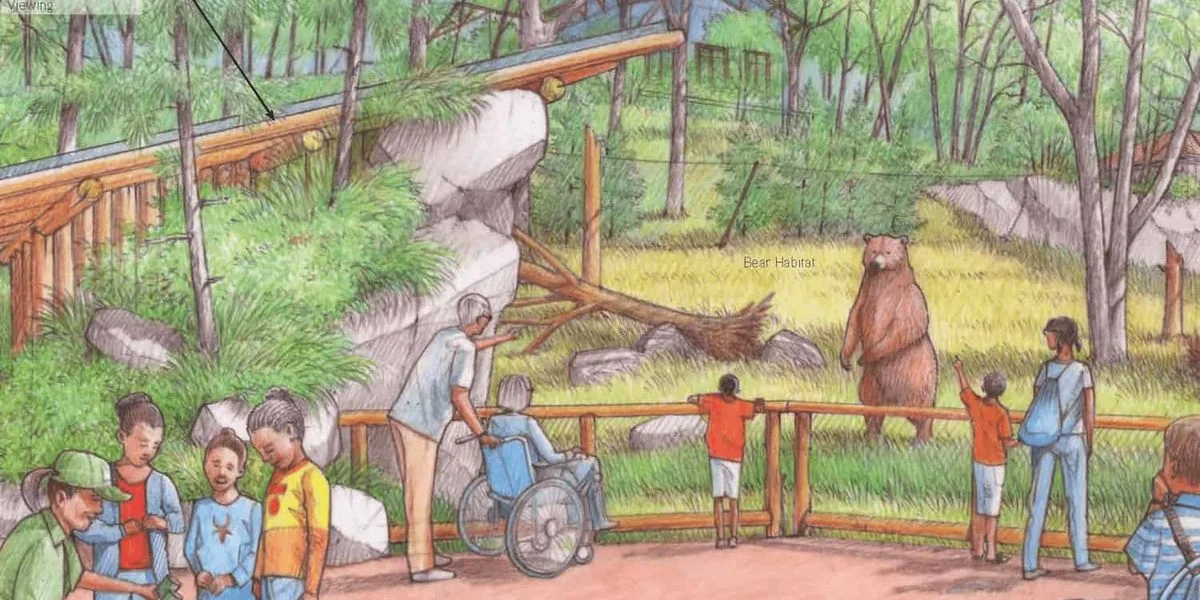
A verified Planet Zoo 2 animal compatibility matrix is not established by the material available for this October 12, 2026 pre-release guide. Do not treat first-game pairings, matching biomes or shared continents as confirmed sequel combinations. Before placing different species together, verify each exact entry and the game's supported cohabitation information.
You can still prepare a useful mixed-exhibit plan. Keep species compatibility, environmental overlap, space and same-species social needs as separate checks. The method below explains what those checks mean and when to preserve separate habitats instead of turning an attractive theme into an unsupported pairing claim.
Define the shared-home decision precisely
Compatibility concerns different species occupying one functional home. Two adjacent habitats in an African-themed district are not a compatibility test, and two aquariums inside one building do not become a single mixed tank because guests visit them together.
Begin by listing the exact proposed residents and the habitat system they would share. This gives the question a concrete scope. A label such as 'forest animals' is too broad to verify, while exact names let you compare the relevant entries.
As a planning recommendation, keep a separate-habitat version of the design alongside the mixed concept. This preserves the theme if the shared-home proposal cannot be verified. It also prevents a single unresolved pairing from blocking the whole zoo district. The backup is an architectural option, not a claim that the animals must never share a home.
Confirm names before comparing requirements
Names can be deceptively similar. Different sharks, primates or birds may share a word while representing different species. A compatibility statement for one animal cannot be applied to another merely because the names resemble each other.
Use the exact common name and, where useful, the scientific name as identity checks. The public Zoopedia provides species information and searchable entries. Its pre-release material is marked as work in progress, so confirm the current entry before making a final animal choice.
Keep content pack access separate too. A pairing idea has limited practical value if one resident is unavailable in your setup. The Golden Lion Tamarin, for example, carries a Deluxe marker in the public index. That listing does not establish an adoption price or an unlock condition, but it is relevant to whether the proposed collection can be built with your content.
Do not use a shared theme as proof
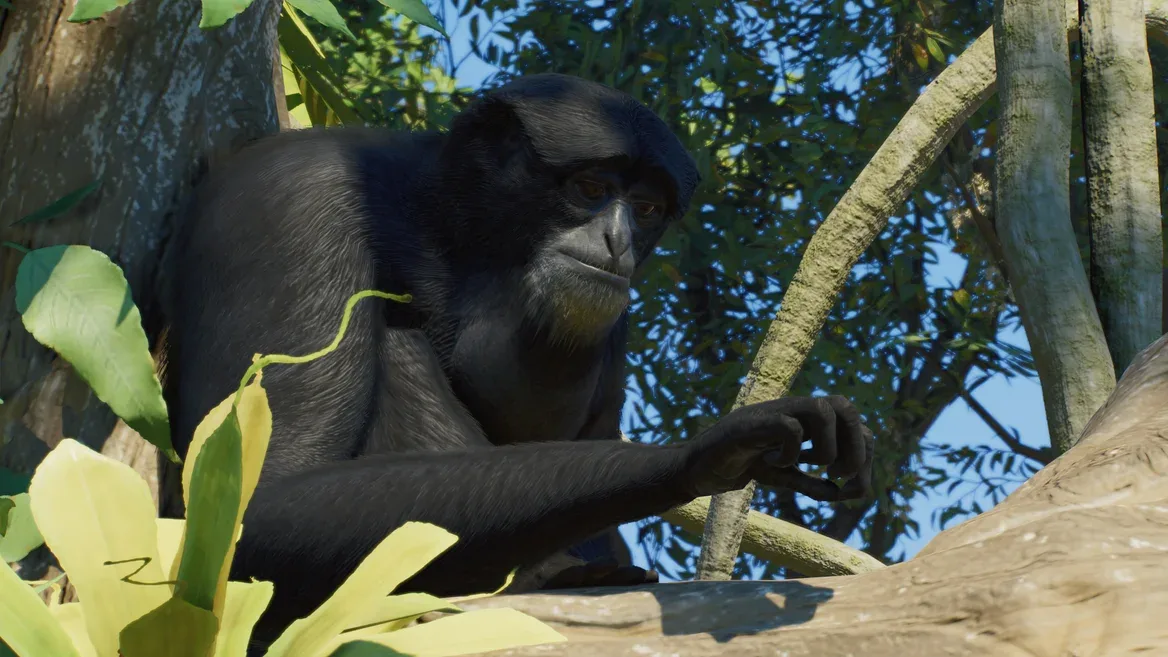
Animals from the same continent or biome can have different environmental, feeding and social needs. A geographical theme is a reason to consider them in one collection, not evidence that they belong in one enclosure.
The same applies to an official image. A picture can identify an animal and show an attractive setting, but it rarely provides the complete functional context. Do not assume that every animal visible in a broad scene shares the same habitat boundary or has been presented as a verified compatible pair.
As a creative alternative, use neighboring exhibits to tell a coherent regional story. Visitors can move between them while each animal has its own home. This lets you preserve a forest or savannah theme without making a care claim that the available evidence does not support.
Check the habitat system first
Planet Zoo 2 adds aquariums and aviaries to the available animal housing systems. The initial question is whether the proposed residents belong in the same kind of functional home at all.
A swimming animal is not automatically an aquarium resident, and taxonomic class alone does not establish a housing category. Read the exact entries. A thematic aquatic building can contain separate kinds of exhibits without combining their residents.
If the habitat categories differ, do not improvise a hybrid care rule from their appearance. Preserve the design as linked exhibits unless the game explicitly supports the arrangement you want. This guide does not establish such hybrid combinations. The aim of the first check is to identify the correct building system, before investing effort in a detailed comparison of numerical conditions.
Use the confirmed bird cohabitation support
Planet Zoo 2 enables cohabitation between some bird species and other birds or terrestrial animals. This is selective support, not a rule that all aviary inhabitants can share a home. The Zoopedia is the confirmed reference for checking whether the proposed inhabitants suit each other's company.
Use that information in a specific order. Identify the exact bird, inspect its cohabitation information, and check every proposed addition before designing one shared enclosure. Then compare the residents' space and care requirements. A supported pairing still needs a home appropriate to all of its animals.
Guest walkthrough suitability is another separate check. Some birds are comfortable with guests entering through a guest gate and path, while others are shy and need suitable space. Do not infer walkthrough access from species compatibility: living with another animal and tolerating visitors inside the habitat are different decisions.
This confirmed system gives you a place to verify a mixed-bird idea. It does not supply a complete launch pairing matrix or establish cohabitation for the aquarium species discussed below.
Compare aquarium salinity independently
Aquarium water can be configured for freshwater, saltwater or brackish species through the filter network. Salinity is critical to welfare, and a saltwater animal cannot simply survive in freshwater conditions.
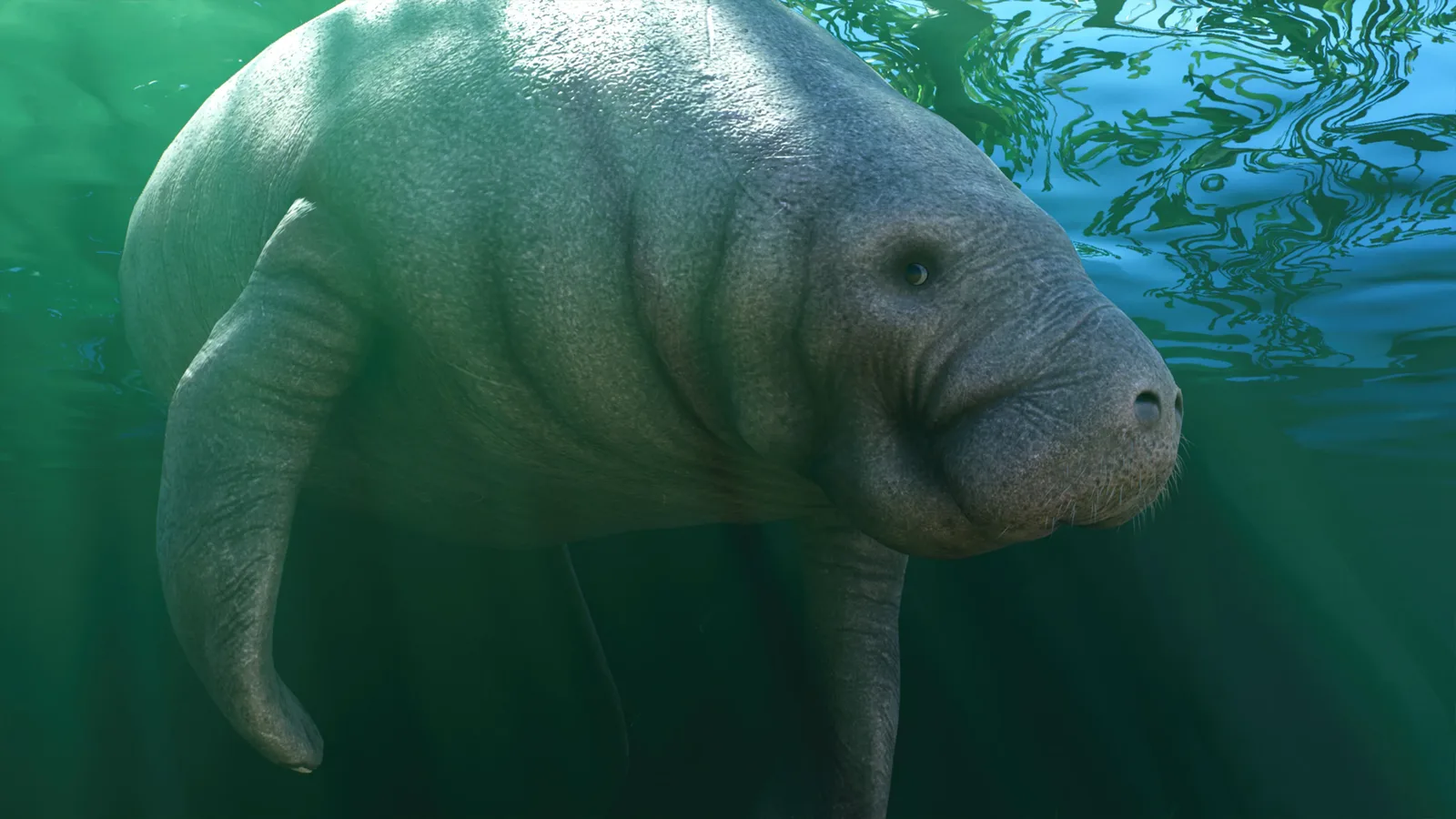
A proposed aquatic combination therefore requires a verified environmental comparison. Do not use a common category such as 'fish' or 'marine-looking animals' as a substitute. The exact residents' requirements must establish the appropriate setting.
Matching salinity, even when confirmed, would answer only one part of the shared-home question. It does not prove compatible behavior, suitable social composition or sufficient space. Keep the water category in its own field so it remains clear which check has passed and which decisions are still unresolved. A visually convincing mixed tank can still lack the information needed for a responsible final plan.
Compare temperature separately from salinity
Aquatic species also have temperature preferences. The aquarium staff gate allows temperature control, but no verified temperature-overlap table is supplied here. A shared water category does not automatically create a common temperature setting.
Record the actual ranges before looking for a setting that suits the proposed residents. If the information is missing, leave the comparison incomplete. Do not choose an average of two guessed numbers or assume that a tropical theme implies a universal temperature.
This method is a planning recommendation rather than a compatibility result. It helps you identify a concrete unresolved condition. If two species require different settings, separate tanks can still sit inside one themed building. Keep the creative collection intact without pretending that one visual scene resolves incompatible environmental needs.
Verify social needs within each species
A mixed exhibit also contains same-species social arrangements. Even if different species could share the home, each resident group would still need an appropriate composition under the game's rules.
Real-world family or solitary behavior is useful context, but it cannot supply Planet Zoo 2's minimum group size, maximum population or male-to-female limits. A species that is social in nature is not automatically suitable in every simulated group arrangement.
Keep these questions distinct in your notes. One field describes the proposed group of each species; another records whether different species can cohabit. This avoids the false conclusion that a mixed display solves every social requirement. If the game has not yet supplied the needed values, maintain the concept as a proposal rather than filling the fields with old numbers or assumptions based on natural history.
Keep feeding facts out of unsupported predation rules
A real animal's diet can explain its biology without establishing a game predation mechanic. A carnivorous reputation does not by itself certify that a proposed tankmate will be attacked in Planet Zoo 2. Conversely, a peaceful-looking animal or a public aquarium photograph does not certify safety.
Use supported cohabitation information and the actual species setup for that decision. Do not turn teeth, size or food categories into a homemade compatibility formula. This guide contains no verified predator-prey pair list.
Feeding facilities are another question. Even when a home contains several residents, you need supported access to the appropriate food for each. A shared scenic food display is not a functional plan. Keep the care setup species-specific until the actual game information establishes which objects and arrangements serve the intended animals.
Treat space as a separate requirement
Compatibility would not eliminate space requirements. A home still needs suitable space for its residents under the game's actual values. For aquariums, the confirmed quantity is water volume; a large external building does not describe that volume.
No verified combined-space formula is supplied here. Do not simply add remembered first-game minimums or assume that one species' requirement absorbs another's. Keep each relevant value in its original unit and use the applicable game information for the actual proposed residents.
As a construction recommendation, reserve an adjustable site before finalizing a mixed concept. Leave a practical direction for changes and keep the service connection readable. This makes it easier to respond when the verified requirements become available. It does not claim that extra surrounding land makes an unsupported pairing safe.
Read behavior without turning observation into proof
Planet Zoo 2's revised animal decision system supports more varied behavior and interaction, with decisions influenced by surroundings and internal state. That broad system does not establish any particular cross-species pair as compatible.
A short period without visible conflict is not a complete proof of a shared home's suitability. Likewise, a single dramatic animation is insufficient to diagnose the exact cause of a problem. Use the animals' reported needs and the relevant supported rules alongside observation.
If you investigate an arrangement, keep your notes specific to the species, residents, environment and change you made. Avoid claiming a general rule from one brief scene. This is an evidence-organizing recommendation, not a request to use animals as a substitute for reading the game's actual care and compatibility information.
Keep a transparent compatibility record
Use a record that shows what has been checked rather than a single unexplained green or red label.
| Check | Evidence needed for the proposed home | Unresolved result |
|---|---|---|
| Species identity | Exact entries for every resident | Do not substitute similar names |
| Habitat system | Applicable housing categories | Preserve separate concepts |
| Environment | Current conditions for each species | Do not average guesses |
| Social arrangement | Supported groups within each species | Leave numbers open |
| Cohabitation | Actual supported compatibility information | Do not claim a verified pair |
| Space and food | Applicable values and usable setup | Revisit the functional plan |
This record is a decision aid, not a compatibility database. It makes the remaining action visible and prevents a polished table from hiding assumptions. Keep unsupported pairings out of a public care list even if the surrounding exhibit idea is worth developing.
Build a mixed concept only after its checks are resolved
Start with exact residents and a separate-habitat alternative. Verify content access, habitat categories, environmental values and same-species social needs. Then obtain supported cohabitation information and evaluate the applicable space and feeding setup.
If a key check remains unresolved, preserve the theme through neighboring exhibits or separate aquariums. This gives you a practical design to continue while avoiding a false compatibility claim. When the necessary game values are available, revisit the mixed version and compare it with the functional home.