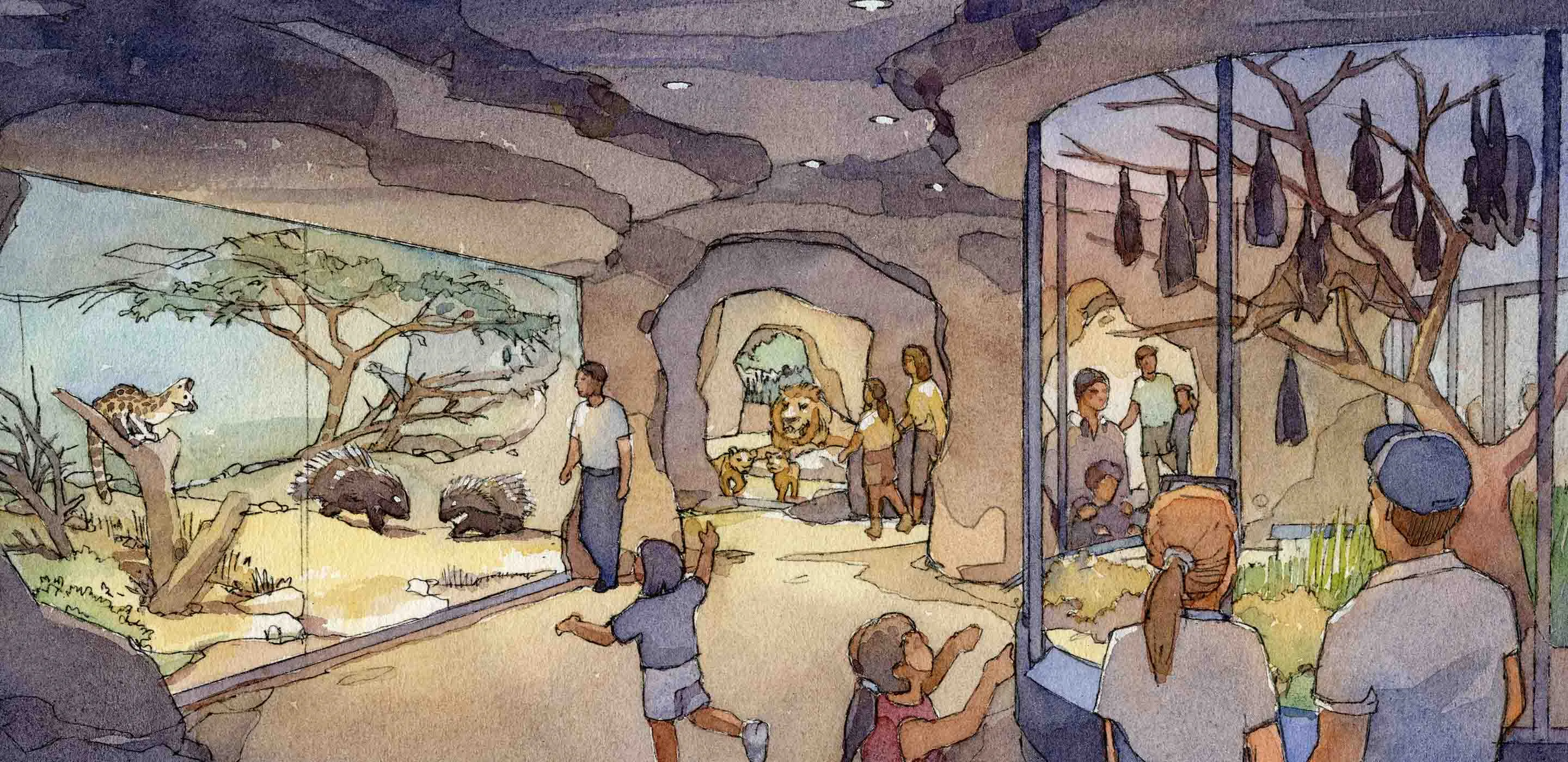
The best starting animal in Planet Zoo 2 depends on the animal you can obtain, its current care requirements and the first exhibit you want to build. A verified cheapest-species ranking is not available in this October 12, 2026 pre-release guide. Do not import a first-game starter tier list as a tested sequel answer.
For a manageable first project, choose one exact species with accessible content and requirements you can understand before building. A straightforward terrestrial exhibit is a reasonable planning default if you want to learn one habitat system first. If your main interest is aquatic animals or flying birds, begin with that system deliberately and account for its additional construction choices.
Define what a good start means for your zoo
A good opening can mean different things. You may want the smallest learning project, a favorite animal you can recognize, an exhibit that suits a regional theme or an introduction to the aquarium system. Those goals do not necessarily lead to the same species.
Choose one primary goal before comparing animals. This keeps the shortlist useful. A player designing a creative Sandbox collection may prioritize a different project from someone following Career objectives or planning a long-term Franchise network.
The confirmed modes have different focuses, but this guide does not establish a tested opening order for each one. Use your actual mode conditions when selecting the first resident. An animal available in the public roster is not automatically an immediate acquisition in every context, and a favorite species is not necessarily the best match for the resources or requirements shown in your current game.
Check access before studying an elaborate build
Start with the exact species entry and your content access. The public Zoopedia includes content pack markers. The Golden Lion Tamarin, for example, is marked Deluxe, so it should not be assumed available in every setup.
Content access is separate from adoption availability and any mode-specific conditions. Do not invent a price or unlock level to fill those gaps. Check the actual choices available to your zoo before investing in a detailed design for an animal you cannot currently obtain.
As a planning recommendation, keep a short list of several species you would enjoy building for. Confirm access first, then compare their actual requirements. This gives you alternatives if the first preference is unavailable without forcing a random animal choice or abandoning the opening exhibit's theme entirely.
Use confirmed terrestrial species as candidates
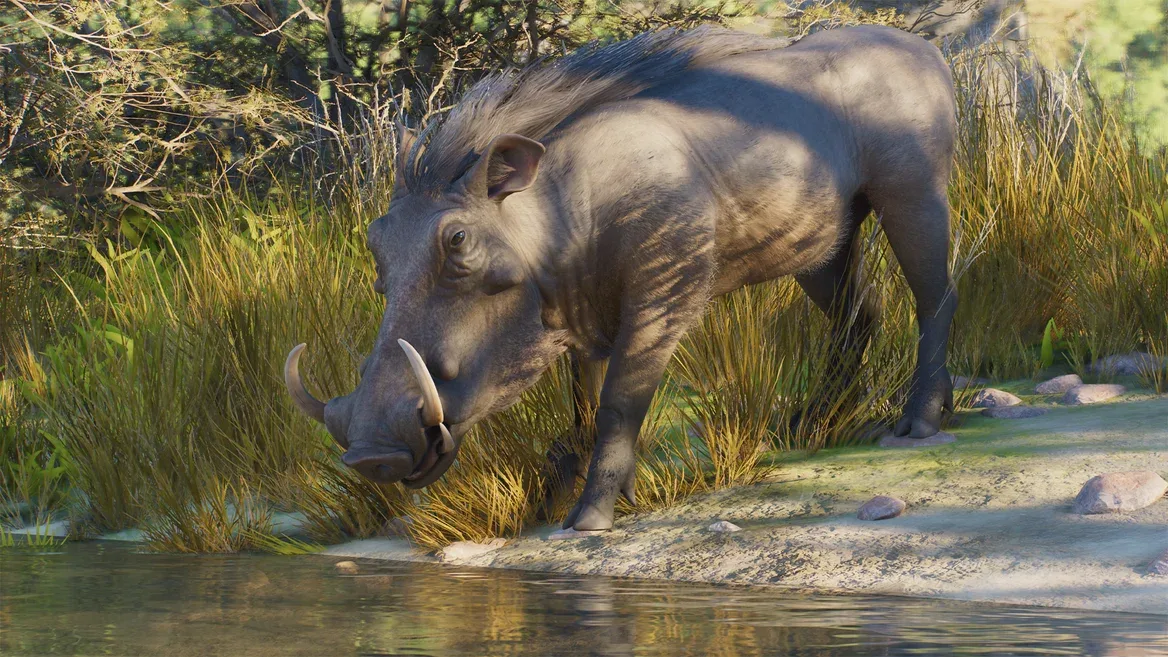
The Common Warthog appears in the official public roster. The Common Ostrich is another confirmed example. You can investigate them as terrestrial candidates, but this guide does not establish that either is the cheapest, easiest or most profitable sequel starter.
Their value in a shortlist is that they are exact, confirmed species you can look up. The next step is comparing their actual space, environment, social and feeding information. Do not carry over a familiar recommendation from an older guide without checking those values.
A useful candidate description says what you know and what remains open. 'Confirmed species to investigate for a terrestrial opening' is accurate here. 'Guaranteed best first animal with minimal running costs' would require evidence this guide does not contain. Keep your final selection tied to the actual game conditions rather than the animal's reputation in the first Planet Zoo.
Choose a first exhibit with a clear scope
A first exhibit should have a functional plan you can explain. For a terrestrial project, that means a suitable home for one species with its care choices and access understood. Avoid beginning with a complicated mixed habitat when the compatibility information is unresolved.
This is a planning recommendation, not a rule forbidding ambitious openings. Its purpose is to reduce the number of uncertain decisions. You can finish a focused exhibit, learn how its requirements appear in your game and then expand the surrounding theme.
Keep decoration proportional to what you have verified. A large entrance facade or themed district can be built later around a working home. If you decorate every edge before checking the animal's needs, a simple correction may require extensive reconstruction. Choose a site where the first habitat can remain understandable and adjustable while the zoo develops.
Compare care information before visual appeal
A striking animal image helps you recognize a species, but it does not provide a complete care sheet. The public Zoopedia is a useful reference and is marked as work in progress during the pre-release period. Confirm the current values when you begin playing.
Compare the actual fields relevant to your first project: required habitat system, applicable space, environmental conditions, social arrangement and feeding setup. Keep units beside numbers and leave unknown values open. Do not assume a small animal has a small simulated minimum or that a familiar-looking animal has unchanged requirements.
The most useful first species is one whose requirements fit the home you can actually provide. That is a decision relationship, not a universal ranking. A more attractive model does not become a better starter if the information needed for its care is still unresolved in your plan.
Keep social composition manageable and verified
Choosing an animal also means choosing an appropriate group under the game's rules. A single animal is not automatically the correct starting arrangement for every species, and a real-world family description does not supply the simulated numbers.
Read the actual social requirements before adoption. Do not choose a male-to-female ratio from an old care guide or assume that a mixed exhibit can replace the needs of each resident species. This guide contains no verified social-count table.
As a planning method, keep the first exhibit focused on one species and its supported group. That simplifies the comparison between the residents and their home. It does not claim that solitary housing is always appropriate. The goal is to understand the actual social arrangement rather than adding animals until the enclosure looks busy.
Treat aquariums as a deliberate first choice
Aquatic animals are a valid creative opening interest, but their homes involve specific infrastructure. Aquariums use suitable water volume, salinity, temperature, feeding and staff access. A filter network supplies freshwater, saltwater or brackish conditions, and the staff gate connects to paths.
That confirmed scope gives you a concrete list of decisions before adoption. It does not prove that every aquarium is harder or more expensive than every terrestrial exhibit. No verified equipment or food cost comparison is provided here.
If an aquatic animal is your main reason to play, choose an exact species and make a simple tank concept first. Leave a large multistory building or complex tunnel network for later unless those structures are the project you deliberately want to learn. The first aquarium should have water conditions and access you can inspect before its viewing architecture becomes elaborate.
Treat flying birds as their own opening project
Aviaries use barriers, support poles and dynamic mesh covers. They support animals with behavior on the ground and in the sky. If a flying-bird collection is your priority, this is a distinct habitat system to learn rather than a terrestrial opening with bird-themed decoration.
No verified bird-specific size values or cheapest-aviary ranking is supplied here. Read the exact species and construction information before fixing the final structure. A bright bird image cannot establish the necessary space or the complexity of its care.
As a planning recommendation, begin with a readable structure and one verified species group. Keep the guest view and service arrangement understandable. You can then develop the theme after learning how the actual home works. This makes the first bird exhibit a clear learning project without claiming that every bird has identical needs.
Evaluate prices through actual game information
A 'cheap animal' claim requires more than a species name. Acquisition cost, the home you need to build and recurring care decisions can all be relevant to your actual opening. This guide does not contain verified current prices, food bills or a profit model.
Do not use an old trading screenshot or a first-game food estimate as a sequel number. Likewise, a large animal's appearance does not prove a specific expense. Check the current information available in your game and compare the complete project you intend to build.
As a budget planning method, separate animal acquisition, functional habitat construction and optional decoration. That organization helps you identify which choices are essential and which can wait. It does not promise an exact financial outcome or a universally optimal spending split. Keep the first project within the constraints your current mode actually presents.
Use blueprints as starting points rather than certifications
The Frontier Workshop provides community creations, and aquarium blueprints are explicitly supported. A ready-made structure can help with an opening project, but its appearance does not prove that it suits the selected residents.
Inspect the functional home, its access and any environmental setup before building the district around it. A beautiful screenshot may hide the full enclosure footprint or leave care values unstated. Compare the creation with the species you actually chose.
As a practical recommendation, prefer a blueprint you can understand and modify over one whose functional structure is difficult to inspect. This is a construction-effort judgment, not a quality ranking of creators. The right starting point is the one that helps you complete the intended animal home without replacing verification with trust in its presentation.
Consider the opening's next step
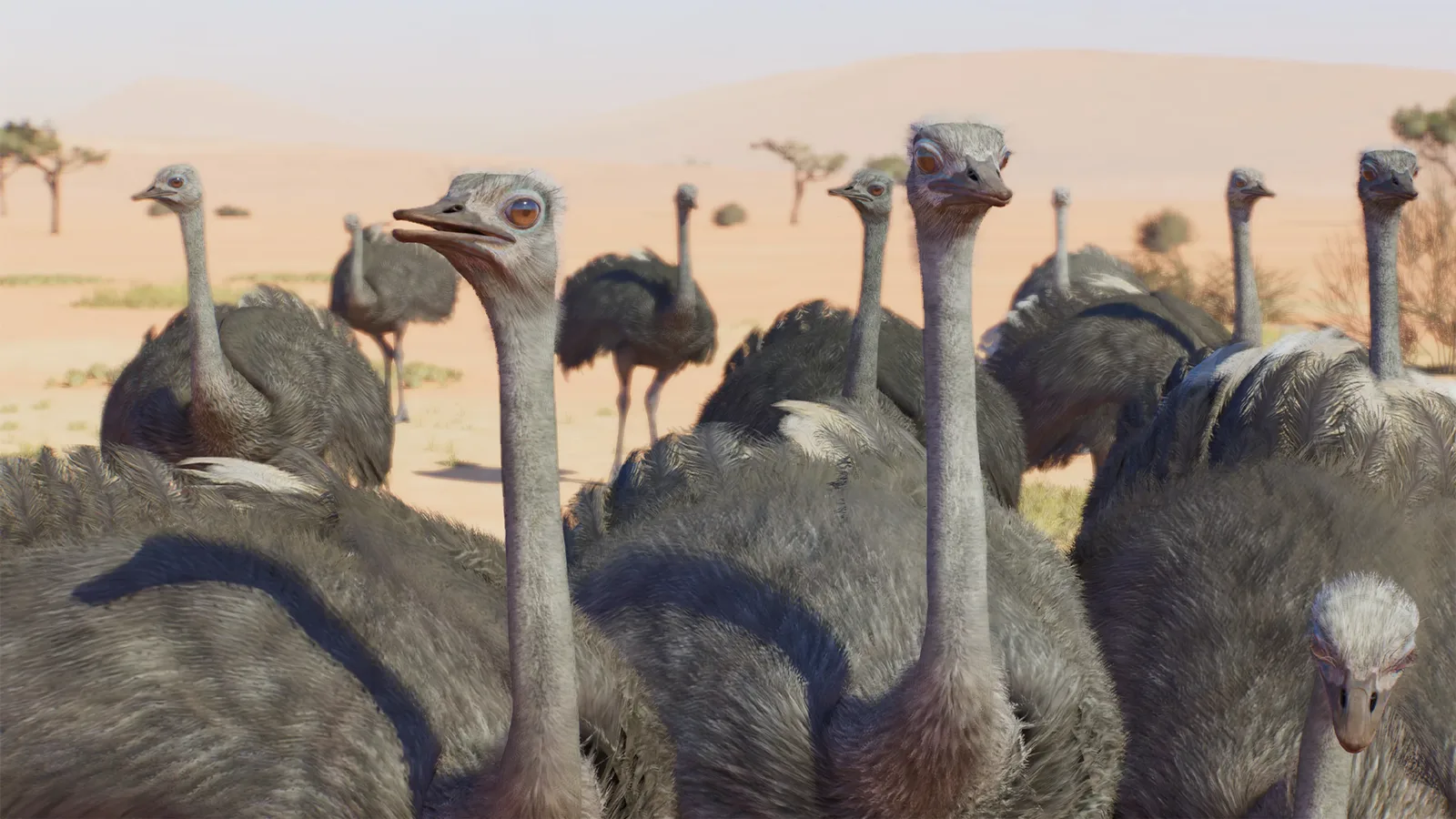
A first animal also sets the direction of the nearby zoo. The Common Ostrich is a confirmed roster example that you can investigate within a terrestrial theme, but its presence does not certify compatibility with other proposed residents.
Think about what you want to add next without making the first habitat serve every future idea. Neighboring exhibits can create a regional collection while preserving separate care decisions. Reserve a practical route for expansion and keep the first enclosure's functional identity clear.
Do not call an opening species future-proof or promise that it unlocks a particular progression path without evidence. The useful question is simpler: whether you can build its home now and whether that project fits the kind of zoo you want to develop. A coherent next step is a design benefit, not a verified economic bonus.
Make the final selection through a short comparison
Use this order: define the first project's goal, confirm several exact species and content access, compare their current care requirements, then select the animal whose home fits your actual mode and site. Build the functional arrangement before finishing the surrounding decoration.
Keep acquisition, recurring cost and compatibility questions separate when they remain unresolved. After the first exhibit is understood, evaluate the next one through its own requirements rather than assuming the opening species provides a universal template.