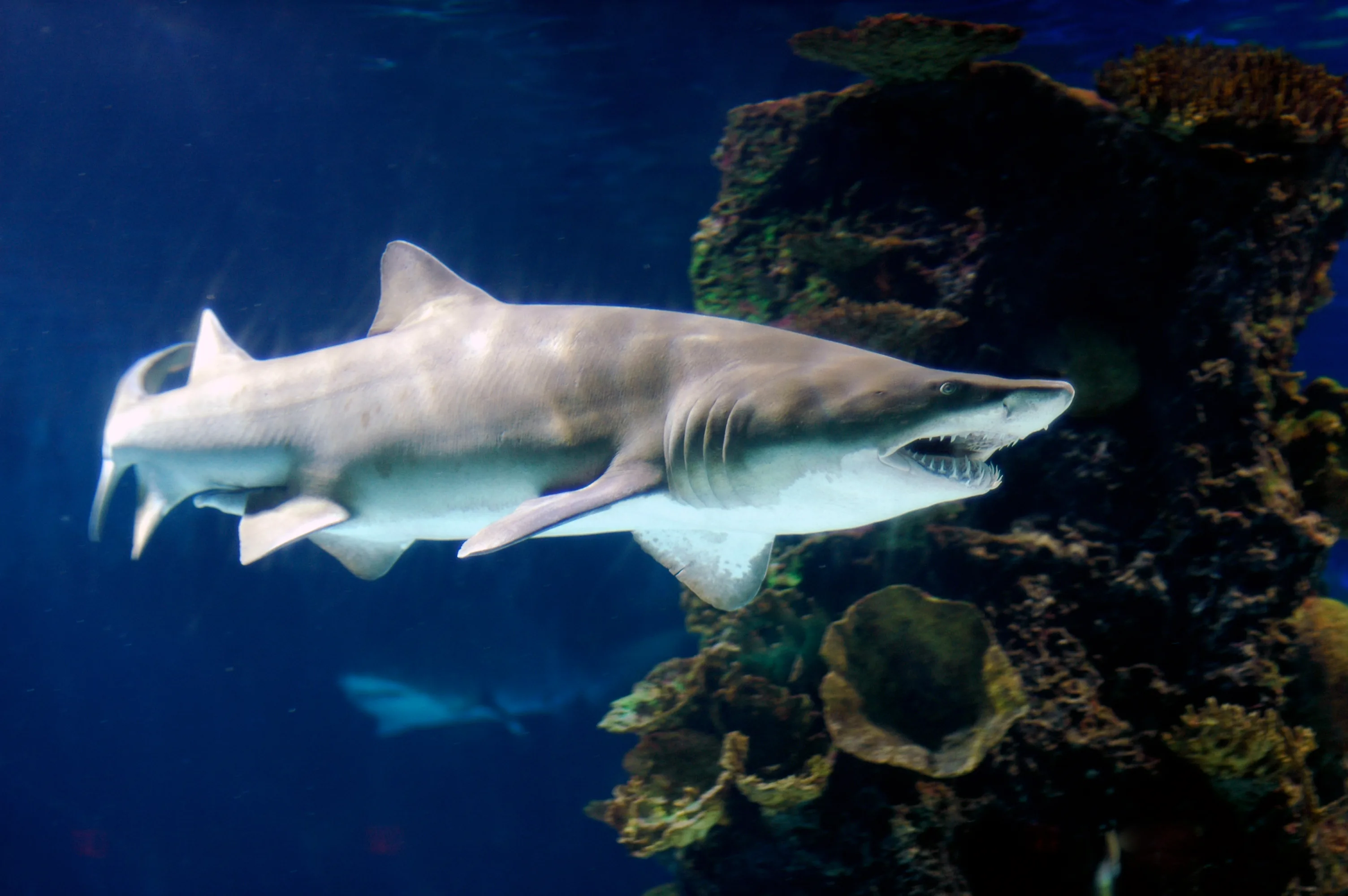
Planet Zoo 2 introduces fully aquatic animals and a dedicated aquarium habitat system. The public roster includes fish, sharks, rays, marine reptiles and an aquatic mammal. Choose an exact species, verify its current entry and then plan water volume, salinity, temperature, feeding and staff access around its needs.
This guide is dated October 12, 2026, before the scheduled October 13 release. It identifies confirmed examples and explains how to make a useful aquatic shortlist. It does not provide a tested complete roster, numerical care database or compatibility matrix. The public Zoopedia is marked as work in progress, so confirm current values before turning a pre-release concept into a final aquarium.
Distinguish fully aquatic animals from animals that swim
Fully aquatic species are a new part of the sequel's confirmed aquarium system. That does not mean every animal associated with water belongs in the same kind of home. A swimming terrestrial animal, an aquarium resident and a decorative underwater scene are different planning ideas.
Begin with the species entry and its habitat category. Do not infer the correct building system solely from a photograph showing the animal in water. An attractive aquatic-themed zoo district can include several kinds of habitats without placing every resident in one tank.
This distinction helps avoid an early construction mistake. You can choose a broad water-focused theme first, but the functional home must still fit the exact species. Keep the aquarium shortlist separate from other animals you may want nearby. The theme connects the exhibits visually; it does not establish shared requirements or a mixed-species arrangement.
Recognize the variety in the confirmed roster
The official public index includes aquatic examples such as Pacific Bluefin Tuna, Blacktip Reef Shark, Hawksbill Turtle, West Indian Manatee and Moon Jelly. The final reveal material also confirms Sand Tiger Shark and Javanese Cownose Ray. These are examples, not an exhaustive certified launch count.
Avoid adding animals merely because a community wishlist mentions them. A desired species and a confirmed entry are different evidence states. Likewise, an early reveal count should not become a permanent total when later entries or content packs change the scope.
Use exact names when making your shortlist. 'Shark,' 'turtle' or 'ray' is useful as a broad category, but each named species needs its own verification. A care value from one category member cannot be treated as the rule for every other member. The roster tells you what to investigate next, not which animals automatically fit together.
Include aquatic mammals in your planning
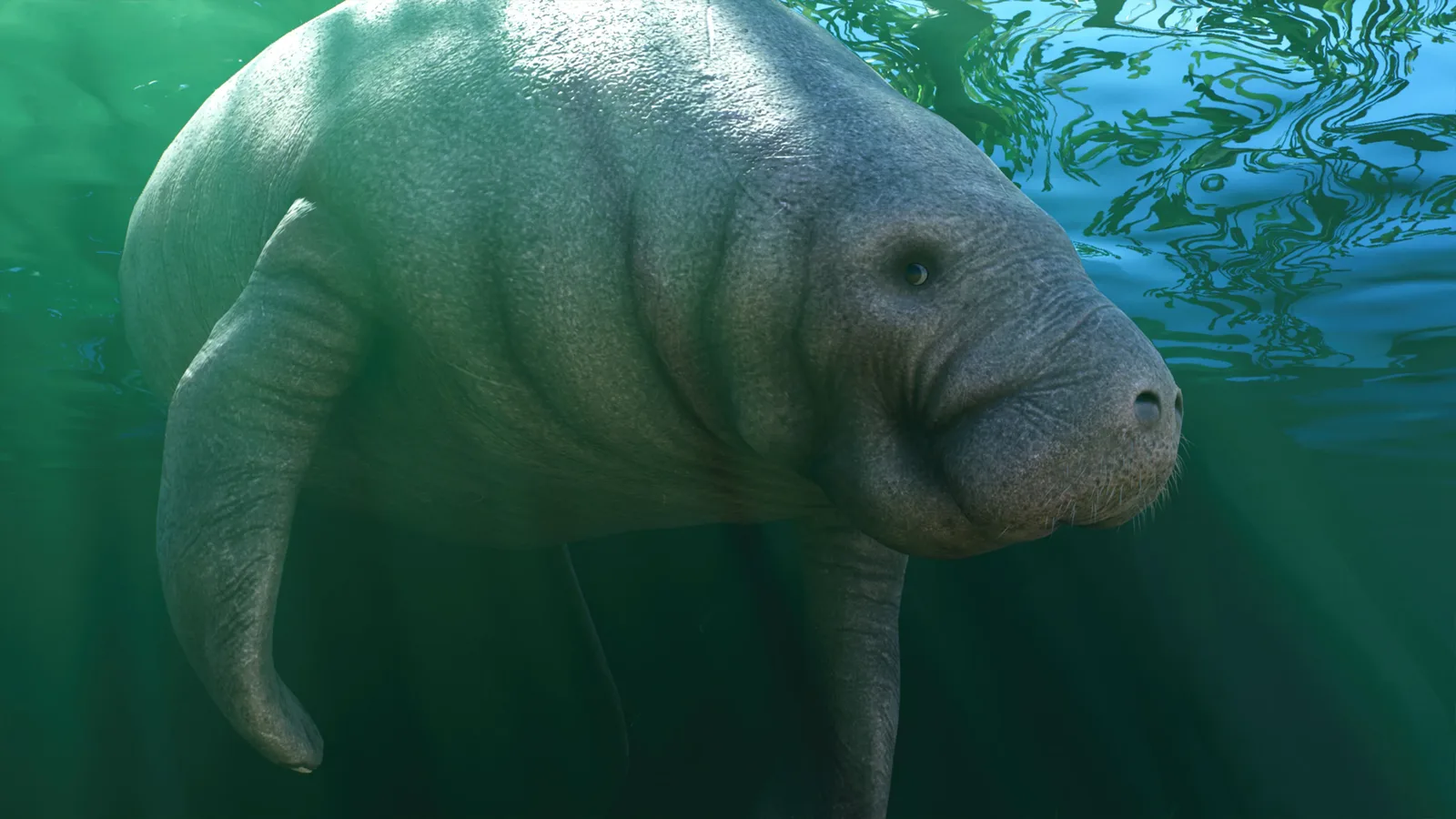
The West Indian Manatee shows why aquatic animals should not be reduced to fish alone. It is a mammal, yet it appears among the sequel's aquatic species. Use its exact identity and entry information when deciding how it fits your collection.
Do not assume that a mammal shares care values with fish because both are shown in aquariums. Taxonomic class does not establish simulated water volume, salinity, temperature or social needs. The same caution applies in the other direction: being a mammal does not make an aquatic species a standard terrestrial habitat choice.
For a themed collection, a manatee exhibit can provide a different species story from a shark or reef-fish display. That is a creative observation, not a claim about guest appeal, profitability or educational scoring. Keep those management questions tied to actual game information rather than ranking animals by how unusual they look.
Treat sharks as separate species choices
The confirmed aquatic roster includes different sharks, including the Blacktip Reef Shark and Sand Tiger Shark. The names identify different species, and the broad label 'shark tank' is not enough to choose the residents' settings.
A shark's appearance does not provide an aggression rule or a compatibility list. Teeth, body size and a familiar reputation in real-world media are not substitutes for the game's information. Do not place smaller fish with a shark based on a public aquarium photograph, or declare every such combination impossible without supporting game evidence.
As a planning recommendation, develop the shark exhibit around one confirmed species while compatibility remains unresolved. This gives you a clear starting question about its actual environment and space. Preserve possible additions as a separate list to verify. That method avoids turning an appealing mixed scene into a claim that you have already established safe cohabitation.
Use reptiles and invertebrates as distinct references
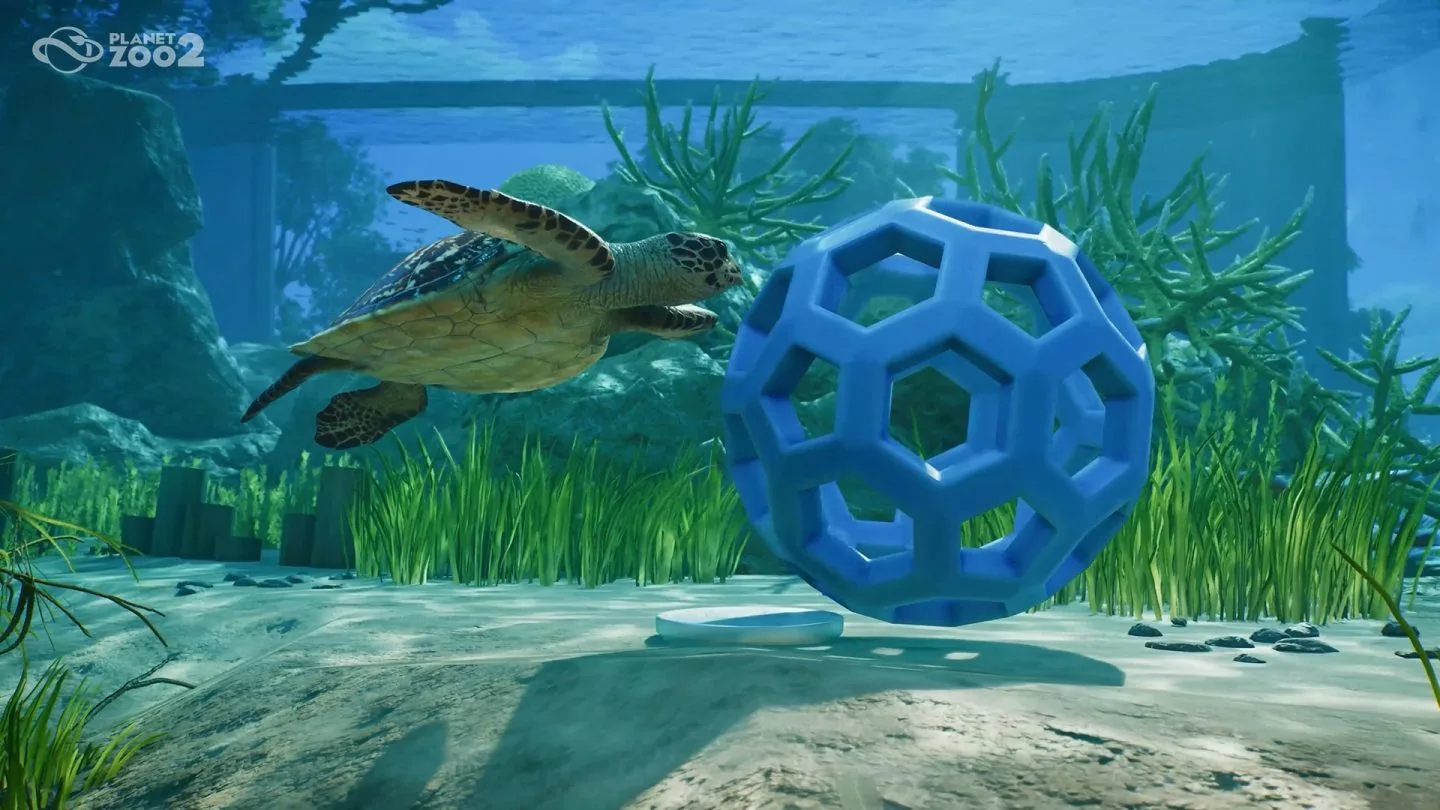
The Hawksbill Turtle is a confirmed aquatic reptile, and Moon Jelly is an example of an invertebrate in the public roster. Their presence broadens the kinds of animals you can consider without implying that all aquarium residents share the same functional objects.
The official aquarium material shows a hawksbill turtle interacting with enrichment. That image establishes a supported example of aquatic interaction, not a universal enrichment list. Do not assume that the same object serves a jellyfish, shark or another turtle.
When planning several exhibits, give each species its own record. Compare the actual requirements you need for construction and care, then decide whether the collection should use separate tanks. A coherent aquatic building can contain different environments. It does not require every animal to share one setting simply because their homes are all called aquariums.
Compare water categories before combining concepts
The confirmed system distinguishes freshwater, saltwater and brackish conditions. Filters connected through a water network can supply those categories. Salinity is critical to animal welfare, so a theme cannot replace the correct water setup.
Do not assign every species in this guide to a final category without checking its entry. Names and real-world habitats can suggest what to investigate, but the game information must resolve the simulated requirement. This guide does not provide verified salinity ranges or a numerical water chemistry table.
A useful shortlist records the category you have confirmed and leaves unknowns blank. If two proposed residents need different conditions, preserve them as separate exhibit ideas rather than pretending that a visual compromise solves the issue. A freshwater-and-marine building can still be one themed attraction while using distinct functional aquariums.
Record temperature as its own requirement
Aquatic animals also have temperature preferences. The aquarium staff gate allows temperature control, but the exact range belongs to the species you choose. Matching salinity does not establish a shared temperature setting.
Keep the temperature field separate in your planning notes. A brightly colored tropical scene is an aesthetic choice, and a blue water tone is not evidence of a suitable environment. Verify the relevant values before adopting residents.
If you want a mixed display, compare every applicable requirement instead of stopping after one apparent match. This guide does not establish species pairs with overlapping temperature ranges. If the necessary values are not yet available, maintain a shortlist of possible combinations without describing them as verified. That preserves the creative idea while keeping the care decision honest.
Plan space as water volume
Aquarium space is expressed as water volume, which is different from the footprint of the surrounding building. A large viewing hall can contain a smaller functional tank, and a tall exterior does not necessarily describe usable aquatic space.
Before finalizing the aquarium, read the current volume information for its intended animals. No species-specific minimum or group scaling formula is provided here. Avoid inventing a tank size from body length, a screenshot or a value remembered from another aquarium game.
As a construction recommendation, reserve a simple shell and an available direction for redesign. This makes it easier to respond to verified values without dismantling the entire aquatic building. The spare surroundings are a planning convenience, not a claimed welfare bonus. Keep the final comparison between the actual tank and the actual species information.
Give staff access a place in the collection plan
Aquariums need a staff gate connected to the path network so staff can care for the residents and maintain the tank. This connection should be part of the collection layout before you design a complex sequence of guest tunnels or viewing galleries.
The staff gate also controls aquarium temperature and lighting. Keep it identifiable and distinguish its service route from the guest frontage. A visitor reaching an impressive window does not establish that the care connection is complete.
For a building with several aquariums, a clear service plan is a sensible design objective. This guide does not supply a staffing ratio or a verified route-length limit. Its recommendation is simply to keep each functional tank and entrance understandable so that you can inspect the relevant setup rather than guessing which exhibit a hidden connection serves.
Maintain clear water, windows and barriers
Cleanliness matters for both residents and visitors. Dirty aquariums make animals harder to see and can increase disease risk. The water network supplies clean water, and staff also dive into the tank to clean windows.
Barrier maintenance helps reduce the chance of cracks and leaks. Different barrier types offer different protection, but the available material does not establish a numerical ranking or a universal maintenance interval. Use the actual construction information when deciding how to build and care for each aquarium.
Keep these concerns separate when inspecting a collection. Poor visibility might involve windows, water or the view itself. It is not enough to declare the whole aquatic building 'dirty' without checking the relevant condition. A precise observation leads to a useful next step and avoids diagnosing every problem from one distant camera view.
Build the collection around readable views
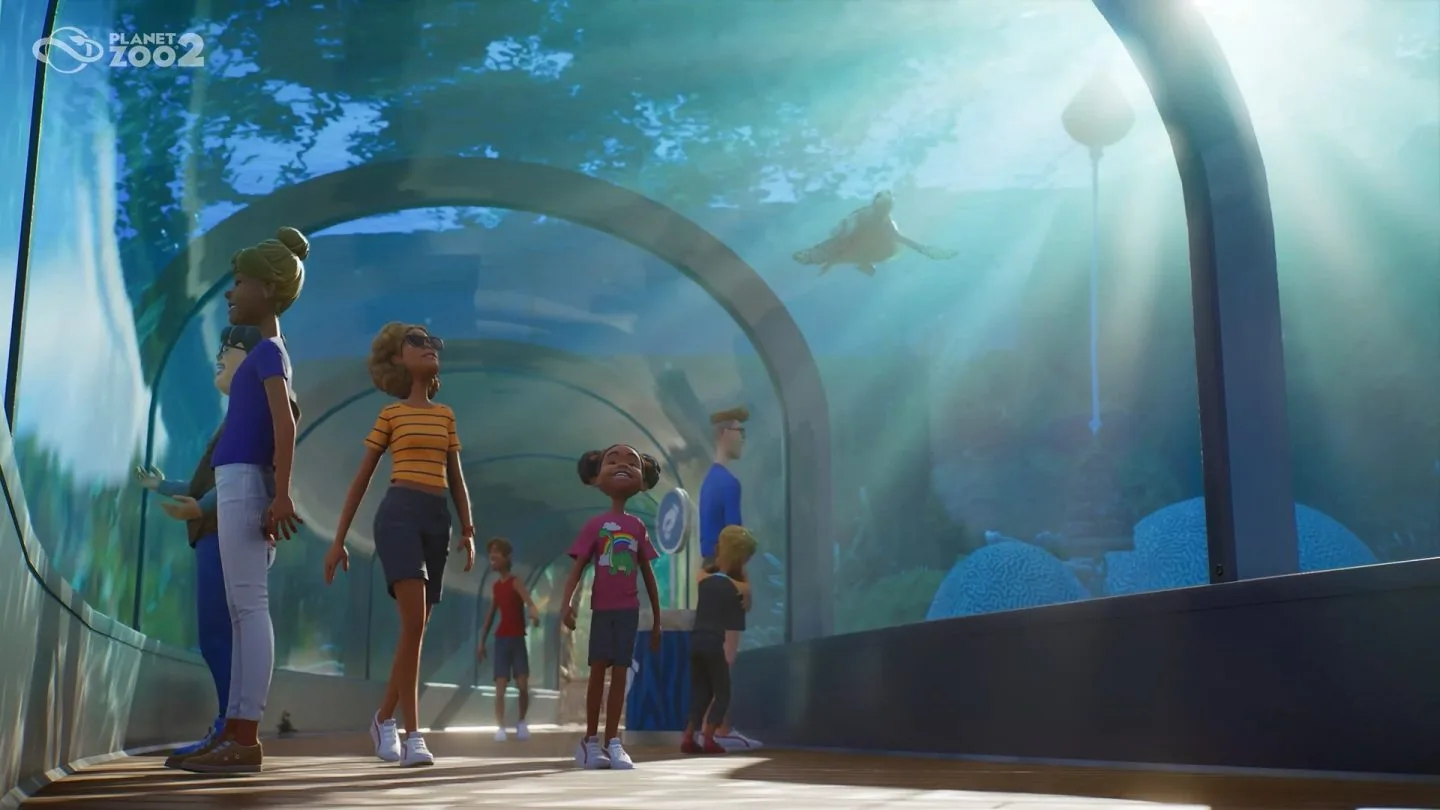
Aquarium tunnels use a guest gate and can run through the water at different heights. One-way glass and varied barrier shapes provide other supported viewing options. Choose these features around the intended residents and the actual site, rather than assuming every aquarium needs the same spectacular tunnel.
As a creative recommendation, vary the viewing experience between exhibits while keeping the animals recognizable. A side window may show a body and swimming movement clearly, while a tunnel offers another perspective. No particular arrangement is guaranteed to improve revenue or happiness by a specified amount.
Keep visual interest separate from compatibility and care. The most dramatic panorama is not necessarily a verified shared home. An aquatic collection can tell a coherent story through several distinct exhibits, each with conditions you can explain and maintain.
Turn a shortlist into a deliberate first aquarium
Choose one exact species, confirm content access and read its current requirements. Record water category, temperature, volume, feeding and social information separately. Build the shell, staff connection and water supply before adding the final viewing architecture.
Leave unsupported combinations and missing values unresolved. After the first home is understood, use its practical lessons to evaluate additional species without assuming identical requirements. The goal is a collection whose individual habitats remain clear, even when the surrounding building unifies them visually.
A confirmed roster entry is the beginning of that process. It identifies an animal worth investigating; it does not certify a universal tank, a mixed-species pair or a profitable opening lineup.