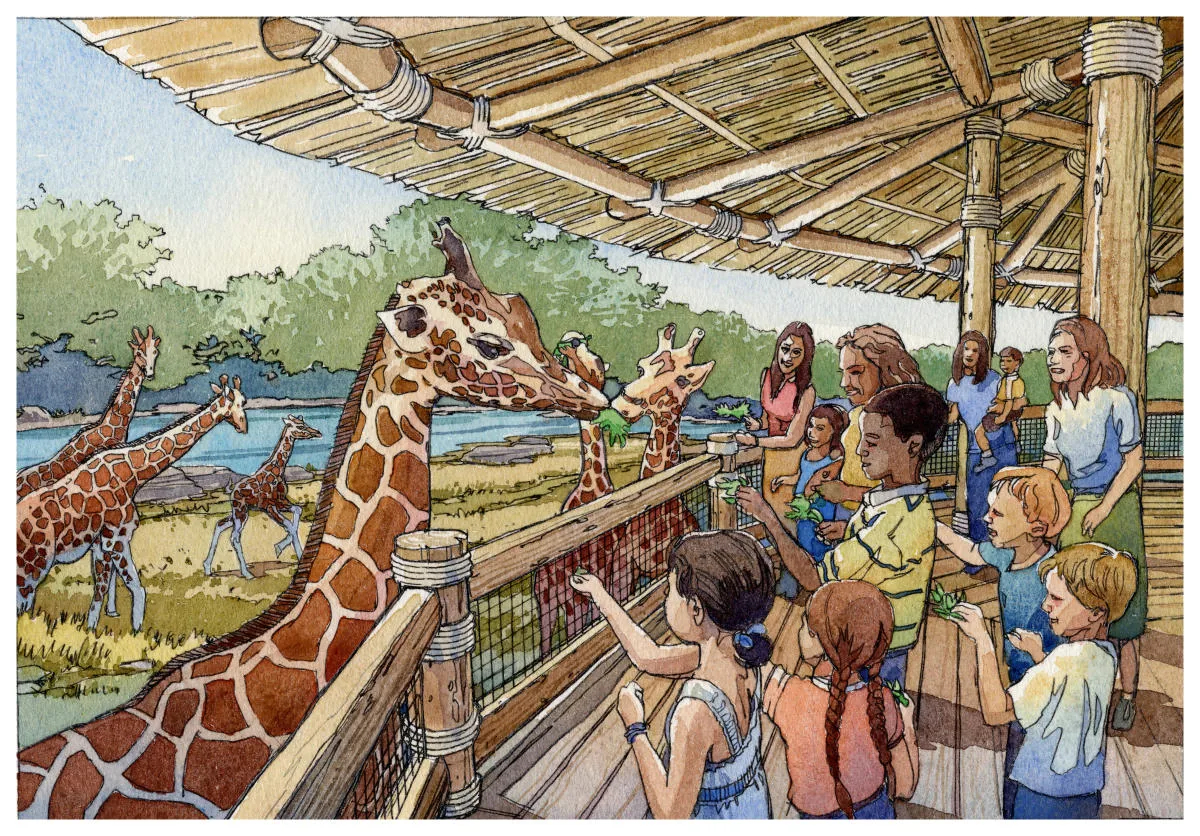
To make money in Planet Zoo 2, build a zoo whose ticket sales, visitor spending, and donations can support its animals, employees, utilities, and continued growth. Adjusting ticket prices, selling souvenirs, encouraging donations, and running paid animal marketing campaigns are confirmed options. Loans provide cash with interest attached. As of 12 October 2026, the game has not launched, so exact profits, optimal prices, and species income rankings cannot yet be established. The plan below separates confirmed financial systems from suggested decisions to test in your own zoo.
The important distinction is between having cash and earning a sustainable surplus. A loan can make the balance look healthy while adding another obligation. A beautiful new habitat can increase your collection while increasing the amount you must spend to keep the animals well. Start with a manageable operation, find the expense that is restricting you, and expand when the existing zoo can carry the new commitment.
Understand the sources of income
Planet Zoo 2 provides several ways to bring money into a functioning zoo. Ticket prices can be adjusted, souvenirs can be sold, and guests can be encouraged to donate. Guest facilities also offer different services and sources of income. These options serve different purposes, so avoid assuming that every increase in visitors produces the same financial result.
Admission depends on getting visitors through the gate and giving them an experience they value. Spending depends on the services available during that visit. Donations connect to the animals and their care; animals that reach the new Thriving state encourage guests to donate more. A marketing campaign adds a cost before its extra visitors have produced any return.
For planning, divide the zoo into three questions: why would someone visit, what can they buy once inside, and what would encourage them to support the animals? You do not need to maximize all three immediately. You do need to recognize which part of the operation is weak before buying another attraction.
| Confirmed option | Financial decision to make | Result to check in your zoo |
|---|---|---|
| Adjustable ticket prices | Whether admission fits the current experience | Income alongside guest reactions |
| Souvenirs and visitor services | Whether the service serves a real visitor need | Revenue and its operating burden |
| Donations | Whether animal care supports generosity | Donation income after welfare improvements |
| Animal marketing campaigns | Whether the zoo can absorb more visitors | Extra income compared with campaign cost |
| Loans | Whether a temporary cash shortage justifies interest | Ability to keep paying after the cash arrives |
Build a business that you can support
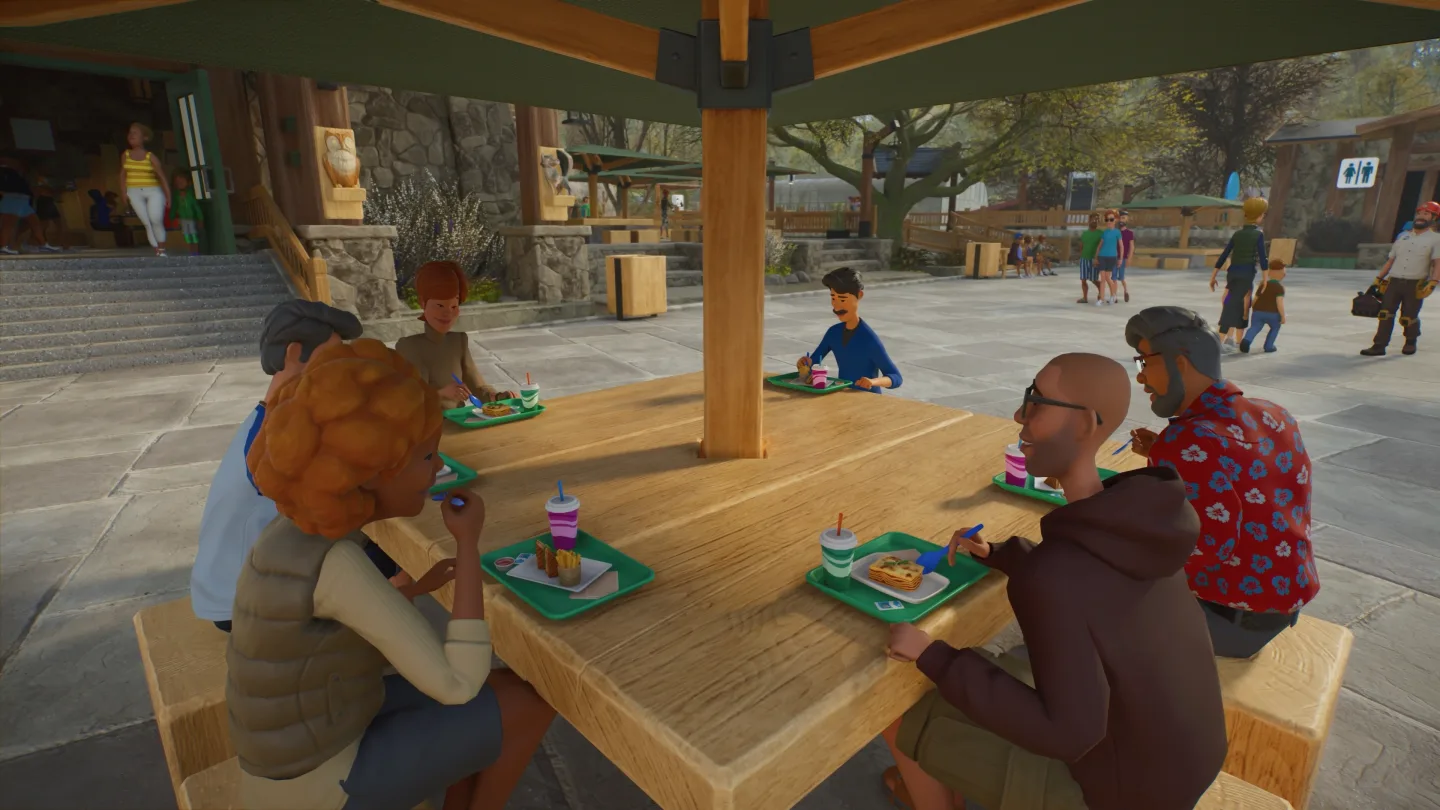
Before adding animals, account for the habitat and the support needed to care for them. Expanding, adopting animals, and hiring staff all draw from your cash balance. Salaries and energy bills are recurring costs. The adoption payment is therefore only one part of the decision.
A useful opening plan is to list the pieces needed for one complete attraction: the animal space, access to care, guest viewing, nearby services, and the relevant utilities. This is a budgeting method, not a claim that the game has a fixed opening build order. It keeps optional scenery and ambitious expansion from consuming money that the functioning zoo still needs.
Avoid choosing an animal because an old guide calls it a money maker. The sequel's actual adoption prices, ongoing care costs, and visitor returns need to be read in the sequel. A recommendation based on predecessor butterfly income, exhibit sales, or a particular starting balance cannot establish the best Planet Zoo 2 opening.
A financially cautious first zoo gives you room to learn. Once one attraction is working, its behavior provides a baseline. If you build several habitats, shops, and staff buildings at once, a poor result becomes harder to diagnose because too many variables changed together.
Read cash flow before changing prices
Your cash balance tells you what you can pay for now. Cash flow tells you whether your operation can continue. Planet Zoo 2 includes financial statistics, so use the information actually available in your save rather than judging success solely by a single balance number.
After a major construction purchase, a lower balance does not automatically mean the zoo is losing money operationally. Conversely, a large balance after borrowing does not establish profitability. Separate a one-time purchase from the costs that keep returning, then compare those ongoing expenses with the income your current attractions produce.
Make one financial change at a time when possible. If you adjust admission, add several vendors, launch marketing, and expand animal care together, you will not know which change helped. A modest experiment followed by observation is more useful than copying a supposed perfect price without checking your guests.
There is no confirmed universal ticket price for every zoo. The value of a visit depends on what the zoo offers, while unhappy guests may leave early or request a refund. Judge pricing together with the visitor experience. Raising prices while ignoring weak viewing or missing services risks treating a symptom as the solution.
Improve the experience before chasing crowds
Guests need food, drink, toilets, and places to rest. They also want to see and learn about animals. Failing to meet their needs can lead to early departures and refund requests. These are relevant financial problems because a larger audience cannot rescue an experience that drives visitors away.
Walk the planned visitor route and ask where someone can obtain a service after viewing each major area. This is a design inspection rather than a promise about a particular travel-distance threshold. Place services according to the route you actually build, then use guest information to decide whether availability needs improvement.
A shop should solve a visitor need in its location. The existence of another shop elsewhere in the zoo does not tell you whether the guests in a new area are being served effectively. At the same time, building services everywhere before demand develops commits cash and operating resources without demonstrating that those additions are needed.
The same balance applies to viewing. An animal may be present without offering a useful visitor experience from the path. Plan places where guests can see it, while preserving space for the animal to retreat from view and avoid stress. Better presentation and responsible care need to be considered together.
Use welfare improvements as an investment
Animal welfare is part of the financial picture. Guests dislike seeing welfare problems, and sufficiently poor care can bring protesters who may upset other guests enough to make them leave. Providing food, water, suitable space, terrain, plants, social conditions, and enrichment is therefore part of keeping the business functional.
The Thriving state goes further than satisfying basic welfare. It requires investment in species research and a natural, enriching environment. Thriving animals live longer and encourage guests to donate more. This establishes a reason to invest in research, but it does not establish an exact financial payback time.
For budgeting, first resolve an unmet essential need. Then choose a research or habitat improvement that addresses a known condition in the animals you already care for. Do not assume that purchasing a particular decoration automatically produces Thriving or a guaranteed donation increase. The animal's requirements and resulting status matter.
Treat improvements as measured decisions. Record the problem you are trying to solve, make the change, and check the result. If donations do not change as expected, review the animals' actual state and the wider visitor experience instead of adding more unrelated scenery.
Match the support network to the zoo
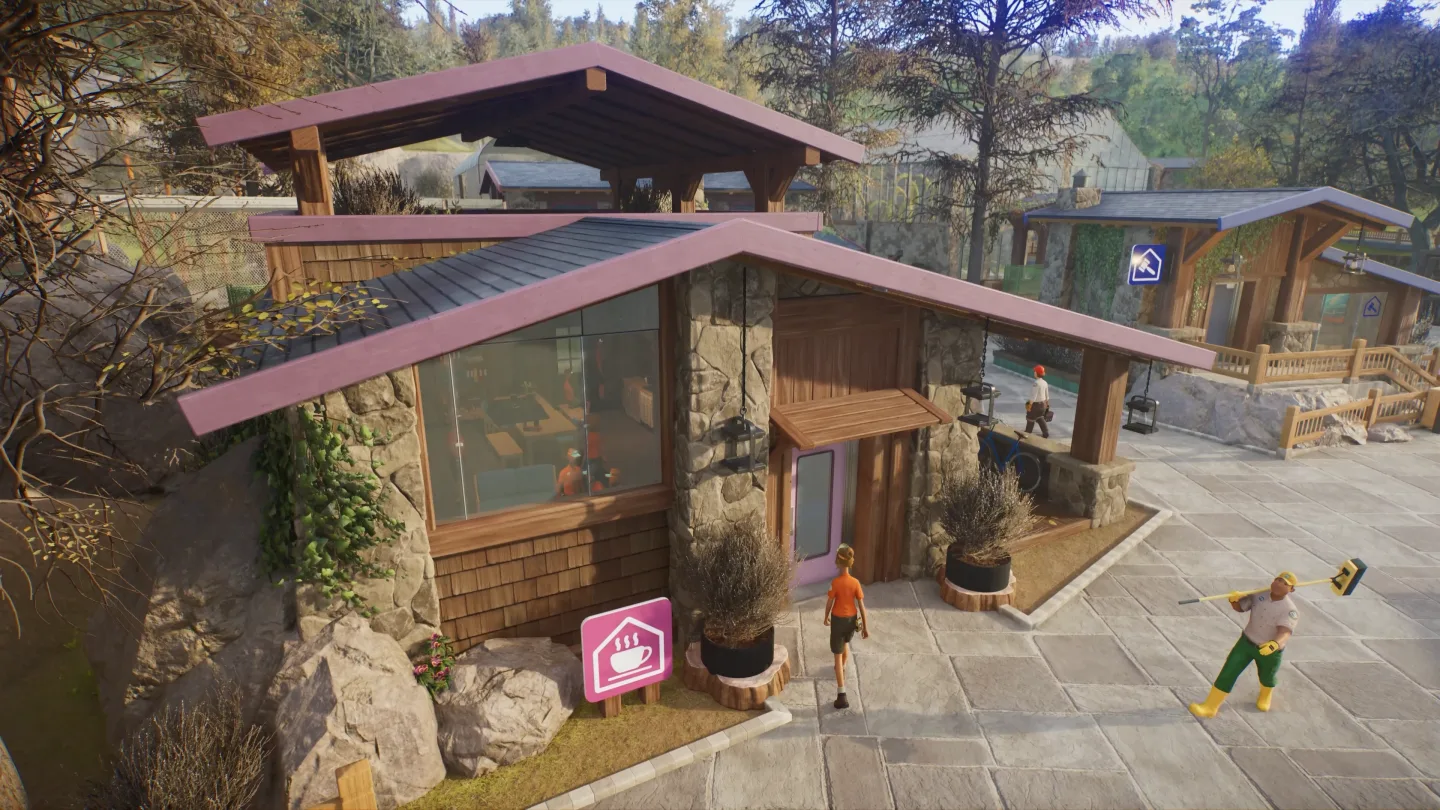
Facilities can serve guests, care for animals, provide transport, and generate income. Depending on what you build, you may need power and a network of filters and pumps supplying habitat water. Include these commitments in an expansion decision rather than treating utilities as an afterthought.
Staff roles have distinct jobs. Keepers care for animals, caretakers maintain cleanliness, mechanics maintain facilities and habitats, vendors serve visitors, vets treat animals and research, and educators support education. Staffing is a recurring expense, but reducing the wrong role can weaken the operation you depend on for income.
Work Zones allow you to divide the zoo into manageable areas. Use them to make the organization of the current zoo understandable, then review workload and satisfaction. Staff need manageable workloads, sufficient pay, and training; dissatisfied staff can quit. A cheap staffing plan is not necessarily economical if it prevents essential work from being completed.
The sequel also changes an old planning assumption: staff facilities do not need to be hidden from guests. Visitors can enjoy watching vets and keepers at work. This gives you flexibility to arrange a compact, scenic support area without copying a predecessor layout purely to avoid a supposed guest penalty.
Run marketing when the zoo can benefit
Marketing campaigns can promote individual animals and bring more guests, but they cost money. The useful question is whether the zoo can turn those visits into a better financial result while maintaining care and service quality.
Before paying for a campaign, examine the experience near the promoted animal. Can visitors get a worthwhile view? Are relevant services available? Is the animal's care under control? These checks do not guarantee a campaign's profitability, but they help you avoid paying to expose a weak attraction to more people.
Compare the result with the campaign's cost using the financial information your save provides. Higher attendance is only part of the outcome. You also need to see whether income improves after accounting for additional obligations and whether guest reactions remain healthy.
Avoid stacking campaigns as an emergency response to every decline. If the problem is an expensive expansion, poor welfare, or visitors asking for refunds, the next marketing expense may not address the cause. Diagnose the limiting factor first.
Use borrowing with a specific recovery plan
A loan delivers an immediate cash influx and attaches interest. It can bridge a shortage, but it does not fix an operation whose recurring expenses exceed its recurring income. Borrow for a defined purpose and identify what will allow the zoo to support the obligation afterward.
For example, your planned reason might be completing a necessary support facility that an already functioning attraction lacks. That is a proposed budgeting decision, not a guarantee that a loan of any size will pay for itself. The game’s actual loan terms and the zoo's finances need to determine whether the commitment is manageable.
If you cannot explain the reason for the shortage, review finances before borrowing. Additional cash can postpone a problem and make the next balance look reassuring without changing the underlying deficit. Keep optional construction separate from the essential care and services needed to keep the gates open.
Decide when an expansion is affordable
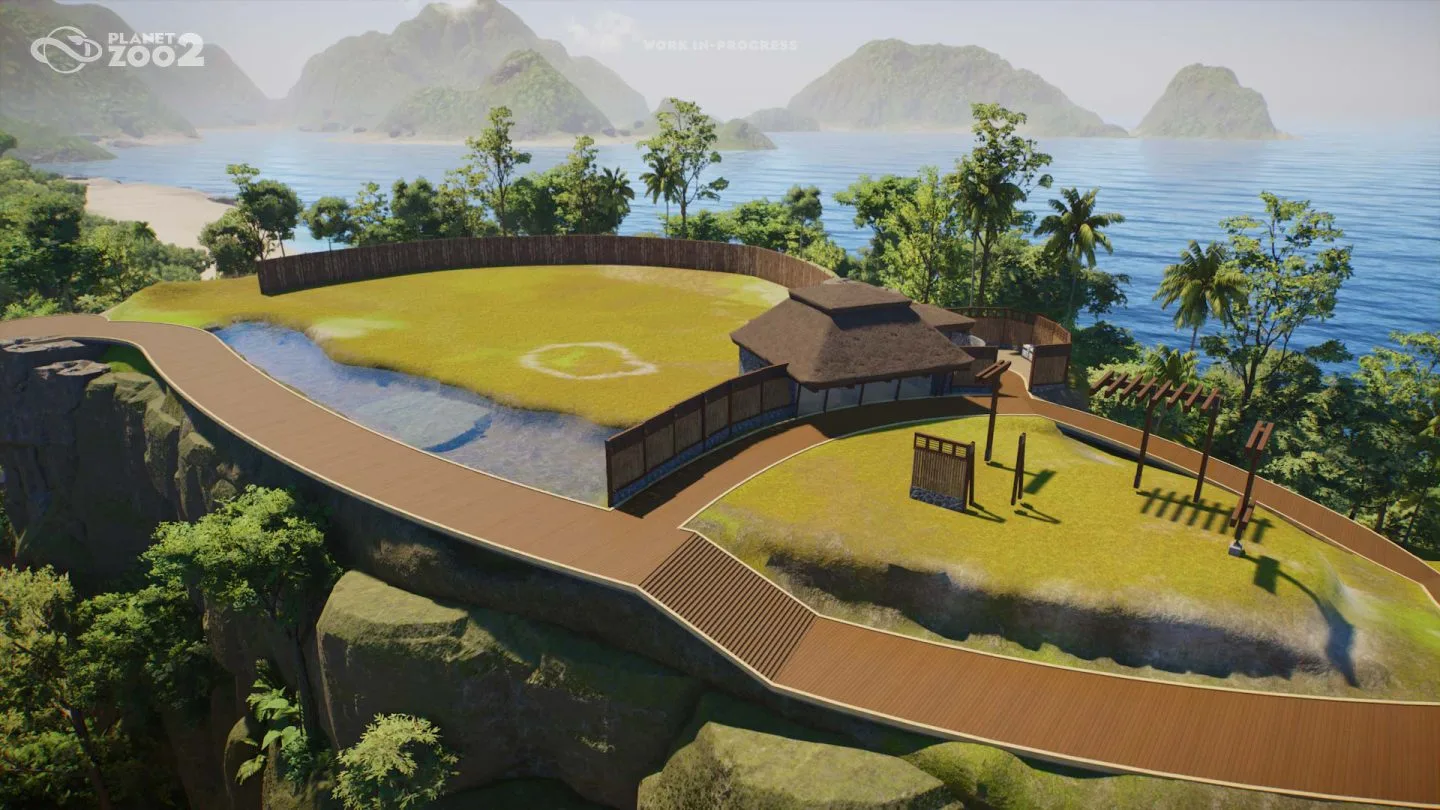
Before adding the next attraction, write down its initial purchase and construction commitments, its support requirements, and its likely effect on the visitor route. Where a number is unknown, leave it unknown until you can inspect the game. Do not fill the gap with a predecessor price or an invented estimate presented as fact.
Check that the present zoo works well enough to provide a reliable baseline. Resolve urgent welfare issues and understand any unhappy guest trends. An expansion is easier to evaluate when the existing operation is stable and its recurring costs are visible.
Build the next area in a way that preserves room for future adjustments. A layout that traps a habitat between expensive structures makes later space corrections harder. A planned service location and clear access give you practical options as the zoo grows.
Judge success by a sustainable operation: visitors receive a worthwhile day out, animals receive appropriate care, staff can perform their work, and income supports the commitments you have made. Exact profit targets will depend on the zoo and mode. A repeatable process for checking them is more dependable than a launch-day promise of instant wealth.