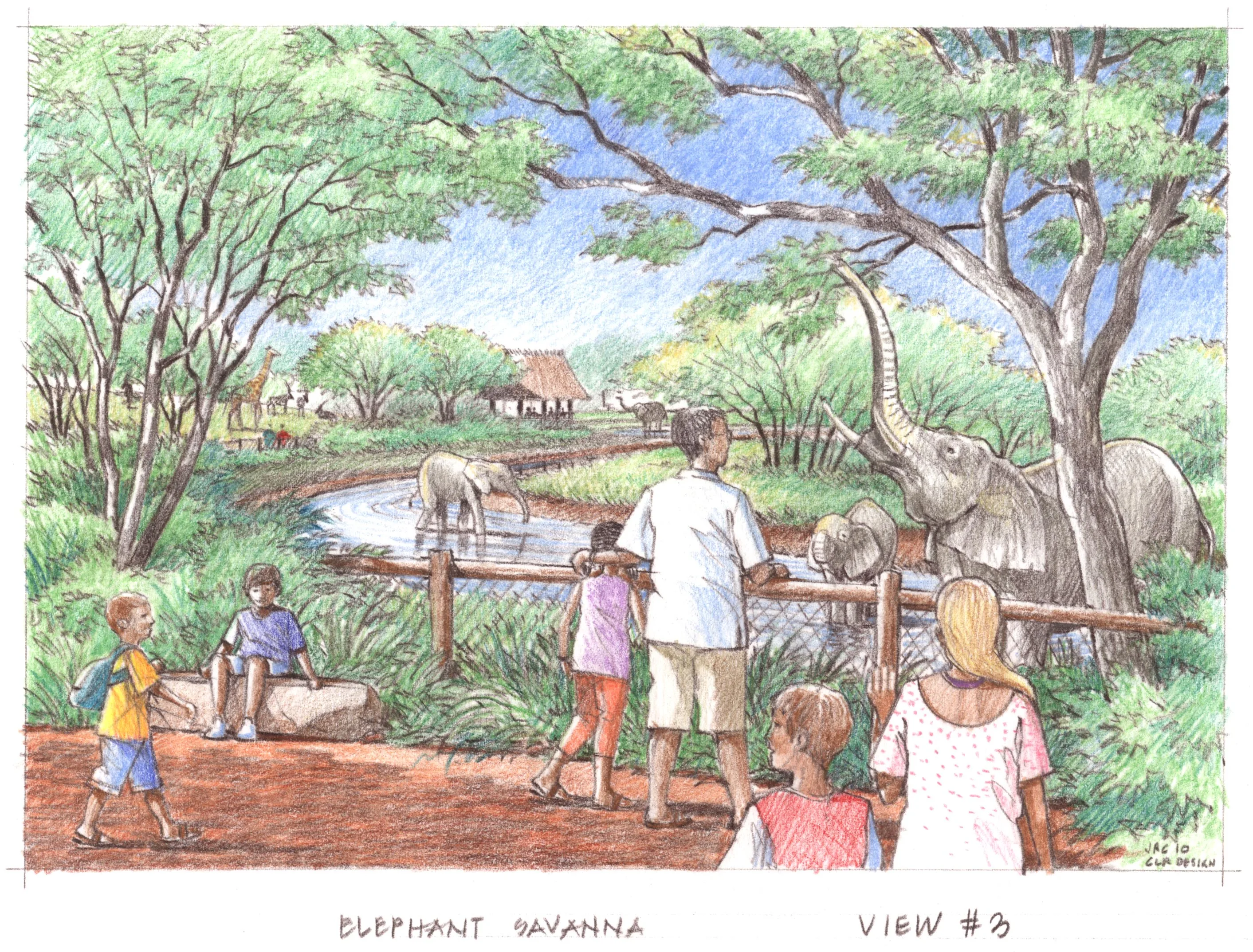
Planet Zoo 2 breeding animals need suitable species conditions, and animals with a nesting requirement need an appropriate nesting site for each breeding pair. They cannot conceive until a suitable nest is present and claimed. Flying birds then lay eggs, incubate them according to species behavior, and care for nestbound young until fledging. As of 12 October 2026, the game is unreleased, so exact fertility thresholds, breeding intervals, genetic controls, and launch-build interface steps cannot yet be verified here.
The useful first question is what stage is missing. A pair without a required claimed nest has a different problem from eggs already incubating or juveniles that have not reached sexual maturity. Check the species and current animal information before treating every absence of new offspring as the same breeding failure.
Start with the species requirements and intended pair
Breeding begins with an animal-care plan. Animals need food and water, appropriate space, suitable terrain and plants, and fulfilling social and enrichment environments. The group you intend to breed should fit the species requirements rather than a universal assumption that any two animals are ready.
Use the current Zoopedia and animal information for the species. The provided material does not establish every launch-build age limit, pairing rule, or reproductive parameter. Do not substitute predecessor values or real-world biology for a Planet Zoo 2 requirement.
Choose the intended pair and habitat before acquiring more animals solely for reproduction. This makes the plan's purpose clear and lets you check whether the environment can support the adults and the developing family.
Separate a social group from a breeding pair. An appropriate group may contain more animals than the individuals you intend to breed, and a habitat that contains two animals is not automatically a verified breeding arrangement. Read the current species information to establish the conditions that apply.
Avoid promising that a particular animal is the fastest or most profitable breeder. Reproductive timing and trading returns are not established here. A breeding plan should first provide suitable care, a confirmed prerequisite where relevant, and a way to review the population as it changes.
Check whether the species needs a nest
The sequel introduces nesting behavior for flying birds, returning flightless birds, and reptilian egg-layers with nesting requirements. This is a change from the predecessor's simplified birth presentation.
Animals with a nesting requirement need appropriate sites per breeding pair within the habitat. They cannot conceive until a nest is present and they have claimed it. This gives you a specific confirmed prerequisite to inspect before assuming an unexplained reproductive failure.
Do not assume that every species uses the same nest type. Different birds have different nesting preferences, and available options include cavity nests, cup nests, water platforms, and mud nests. The right choice should follow the inhabitants rather than the visual style of the enclosure alone.
A nest belongs in the functional habitat plan when breeding is intended. Placing something that merely resembles a nest as scenery should not be assumed to meet the species requirement. Use the current game’s actual nesting options and inspect the relevant result.
This guide does not claim that every animal in the game requires a nest. The confirmed prerequisite applies to animals with a nesting requirement. Mammals and other species need their own applicable conditions checked rather than a bird-focused checklist applied indiscriminately.
Give each intended pair a suitable claimed site
For a nest-dependent species, review both parts of the prerequisite: an appropriate site is present, and the animals have claimed it. The existence of a nest-looking object somewhere in the habitat does not complete that confirmation.
Plan nesting sites as part of the environment the pair uses. This is a proposed layout method rather than a verified universal distance from food, water, or habitat borders. Species preferences and the game’s actual nesting information should guide the arrangement.
When more than one pair is intended to breed, account for the per-pair requirement. Do not assume that a single site automatically serves every pair in the habitat. Equally, do not invent a universal nest-to-population ratio beyond the confirmed need for a site per breeding pair.
If conception has not occurred, begin with the claimed-site check before rebuilding unrelated parts of the enclosure. The missing prerequisite may be more specific than a general habitat-size problem.
Once the nesting prerequisite is satisfied, inspect any other conditions the current game displays for the animals. A claimed nest establishes one requirement; it should not be stretched into a guarantee that reproduction must occur immediately.
Understand eggs and incubation as separate stages
After mating, the female lays eggs at the nesting site. Depending on the bird species, incubation may be performed by the male, the female, or both. Reptiles differ: their eggs incubate without the same parental sitting behavior, although some mothers may guard the nest.
These stages explain why reproduction should be assessed as a process rather than an instant appearance of a juvenile. An animal can have completed one stage while the next has not yet finished.
The provided material does not establish a universal incubation duration. Do not apply one species' time to every nest or turn a real-world biological interval into an in-game timer. Use the actual information for the species and stage you observe.
Cavity nests have a dedicated camera for checking eggs and fledglings. This allows you to observe a hidden nesting stage when the species uses that nest type. It does not mean every nest has identical camera features.
Keep observation factual. Eggs present in a nest establish that stage in your habitat; they do not by themselves guarantee a later outcome or identify every remaining requirement. Review the current animals and conditions as the process develops.
Recognize nestbound young and fledging
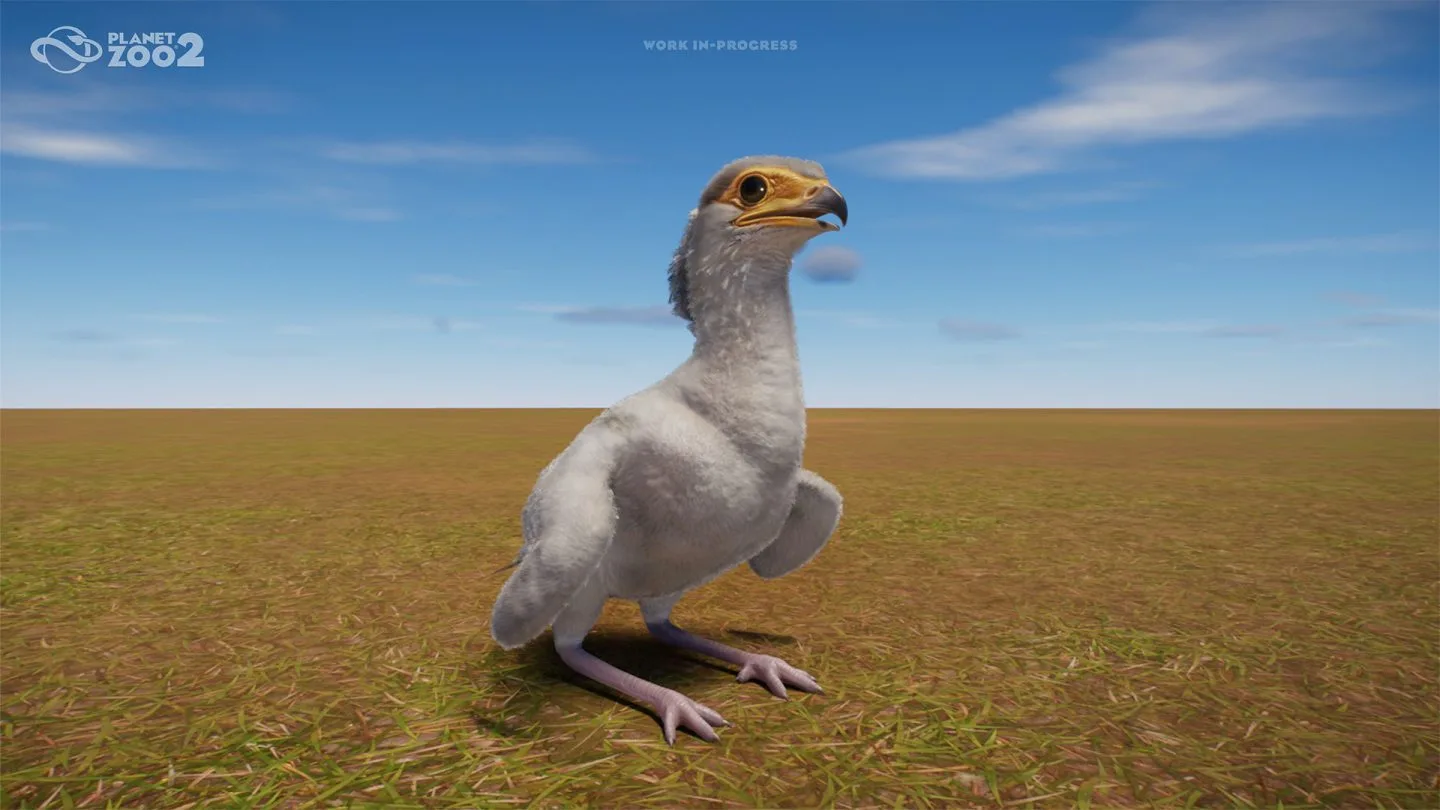
Flying birds hatch as nestbound young and stay in the nest under parental care. At fledging age, they grow and replace their shaggy appearance with adult plumage. They are still considered juveniles after this visual change.
They do not count against adult population limits until sexual maturity. This is a confirmed distinction between appearance, juvenile status, and adulthood. Do not classify every adult-looking bird as sexually mature solely from its feathers.
Reptiles and flightless birds have juveniles that can explore the environment in a more familiar way. Their early presentation therefore differs from nestbound flying birds. A bird remaining at the nest after hatching is not automatically evidence that movement has failed.
Use the current animal information to determine stage and maturity. The provided material does not establish a universal fledging age or maturity timer, and species differences matter. Avoid guessing age from the scale of the model or a single screenshot.
Population planning should follow these stages. The first brood can change the family arrangement over time even if the adult count does not increase immediately. Review the habitat again as young animals develop rather than assuming the initial adult arrangement remains the only concern.
Prepare the habitat for a changing family
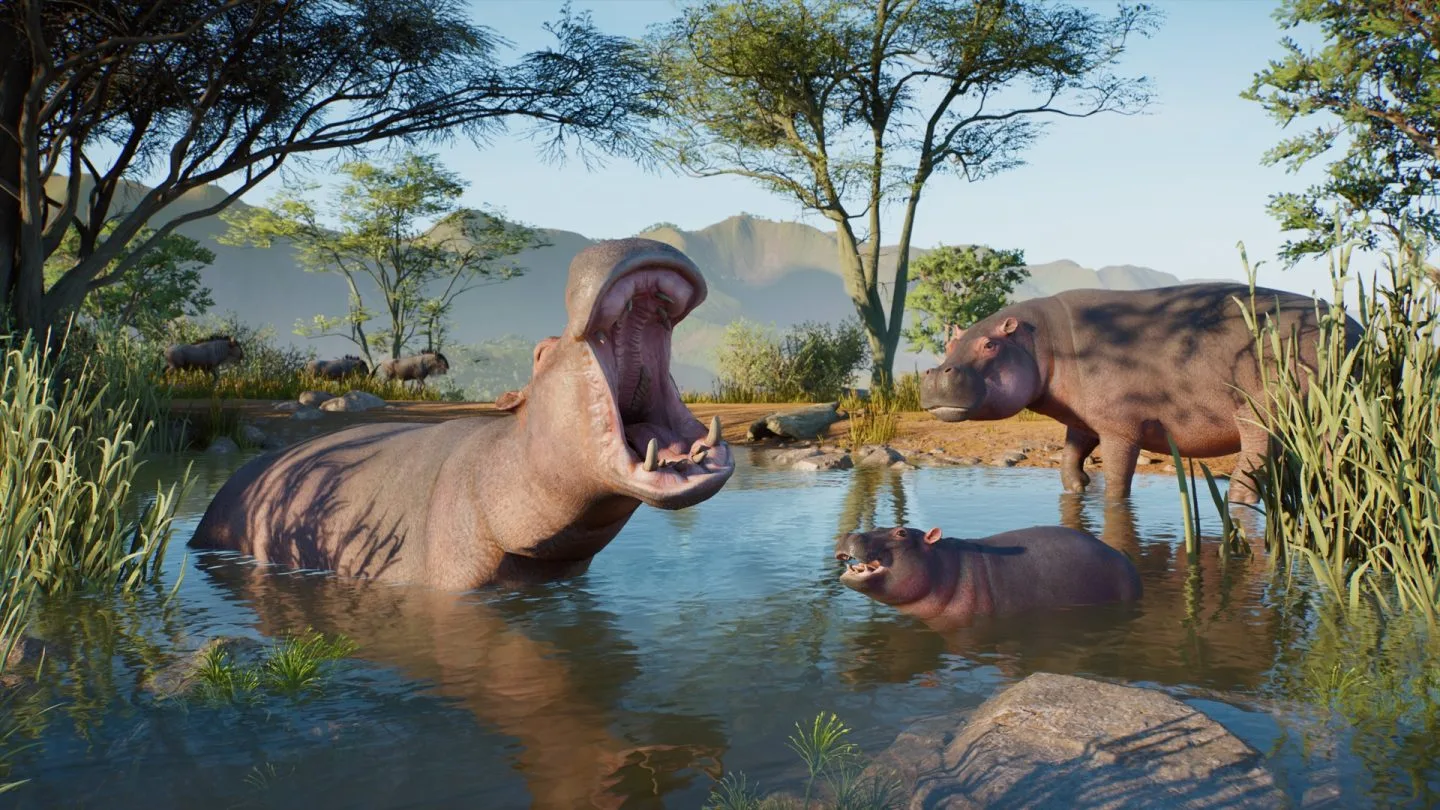
Breeding changes the group you care for. Plan the habitat and support around that possibility before treating reproduction as an unlimited source of new animals. The relevant conditions need to be checked as the population develops.
For flying birds, enough flying space remains important. The Zoopedia provides requirements and the aviary Info Panel reports Flyable Area. If birds need more room, increasing roof height or expanding the habitat are confirmed options.
The provided material does not establish a universal population scaling formula for flying space. Do not multiply an invented base value by the number of birds and present it as a game requirement. Use the current animal and habitat information.
Keep social conditions in the review as well. A family that has grown is not necessarily the same social arrangement as the original pair. Inspect the species requirements and current animals rather than assuming every offspring can remain in the same group indefinitely.
Preserve a practical way to adjust the environment. A habitat surrounded by dense finished buildings may be less flexible if the family's needs change. This is planning advice, not a claim about a mandatory expansion buffer.
Keep daily care working during reproduction
Food, water, enrichment, and suitable surroundings remain necessary during a breeding project. A required nest should be added alongside the essential care arrangement rather than used as a substitute for it.
Keepers feed and care for animals, vets treat illness and research, and mechanics maintain habitats and facilities. Review the support relevant to the current habitat if care problems arise while the family grows.
Work Zones can organize a zoo into manageable areas. Use actual workload and satisfaction information when deciding whether the support arrangement needs adjustment. No universal staffing ratio for breeding pairs is established here.
Staff satisfaction depends on appropriate pay, training, and manageable workloads, and dissatisfied employees can quit. A breeding plan that assumes care will continue automatically without adequate support may create broader animal problems.
Animal behavior can signal a reason to investigate. The sequel's welfare-related vocalizations can reflect internal condition and mood, but sound alone is not a reproductive diagnosis. Inspect the relevant animal information rather than inferring a fertility value from an animation or call.
Keep privacy and viewing in balance
Guests want good views of animals and are interested in learning about them. Animals also need opportunities to hide away and avoid stress. Consider this balance when locating visitor routes around a breeding habitat.
Some birds are suitable for walkthrough aviaries, while others are shy. Check the Zoopedia before bringing guests inside through a guest gate and internal path. A habitat with young animals should still be evaluated according to the inhabitants' actual requirements.
Elevated walkways can help guests see perched or flying birds, but their visual usefulness does not establish that every part of the nesting area should be exposed. Design the view around the animal environment rather than forcing the environment into a constant close display.
A cavity-nest camera provides another way to observe the nesting stage for species using that nest type. This can help you inspect what is happening without relying on a direct public view into every nest.
The provided information does not establish a universal stress threshold for breeding. Avoid giving a fixed visitor distance or barrier recipe as a guaranteed reproductive fix. Match any correction to the actual condition shown for the animals.
Diagnose the missing stage in order
Begin by confirming the intended species and pair. Then inspect whether a nesting prerequisite applies and, if it does, whether an appropriate site is present and claimed. Next identify whether eggs, incubation, nestbound young, fledging, or maturity is the current stage.
This sequence is a proposed diagnostic workflow built around confirmed features. It is not a verified launch-build menu path. Use the interface information available in the released game for the actual checks.
Avoid changing several unrelated conditions together. Adding space, replacing resources, moving every nest, and changing the group simultaneously makes any later result harder to interpret. A focused correction lets you see whether the missing condition was addressed.
If the known prerequisite is met but the result remains unclear, leave the uncertainty visible in your own assessment. The provided material does not support a universal instant-breeding command or guarantee. Check the current species information rather than inventing an explanation.
Evaluate breeding as husbandry before economics
New animals can be part of a broader zoo or conservation plan, but exact trade values and live market demand are not verified here. Do not assume that a successful brood automatically creates a profitable Franchise strategy.
Research can unlock improved welfare options and the chance to release animals to the wild in a Wildlife Reserve. The specific release conditions still need to be checked in the game. A newborn animal is not automatically ready for every conservation action.
Thriving animals live longer and encourage more donations, but the provided information does not establish a universal fertility bonus from Thriving. Keep the confirmed benefits separate from speculative reproductive effects.
The practical endpoint is a responsibly supported family: appropriate species conditions, the required claimed nesting sites where applicable, understood life stages, and habitat reviews as the group changes. Exact timers, genetic systems, and market strategies should follow the current game rather than inherited predecessor recipes.