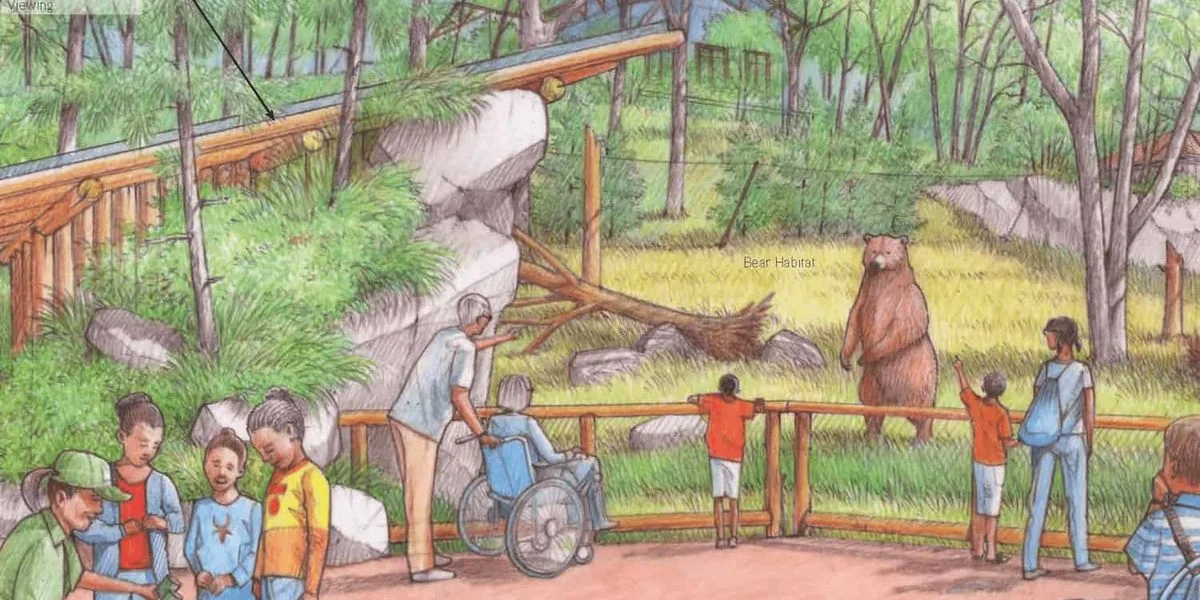
To prepare a Planet Zoo 2 release animals into reserve project, you need an appropriate Wildlife Reserve ecosystem, the relevant species research and an eligible release group. Groups vary by species and can involve a solitary animal, a breeding pair or a larger population. Requirements may include longevity, fertility and genetic diversity. This prerelease guide, updated on 12 October 2026, does not provide unverified thresholds or a button-by-button release procedure before the 13 October launch.
The useful planning sequence is to prepare the destination first, identify the actual group requirements, evaluate your animals and resolve research or care prerequisites before committing to release. Animals then live in the reserve's natural environment, fill their ecological role and can raise young.
Keep the animal group and the destination as two separate readiness checks. Passing one does not establish that the other is suitable.
Define the conservation outcome before selecting animals
Start with the ecosystem you want to support. Wildlife Reserves are conservation environments where you establish ecosystems and improve biodiversity, rather than a place to send every animal you no longer want in a zoo.
Identify the species or ecological role your project is intended to introduce. The reserve role system includes behaviours such as rooting in soil, browsing from trees and acting as predators. A release should connect to the population the ecosystem needs.
Your project note can remain simple: destination reserve, ecosystem, intended species, release group and unresolved prerequisites. This is a personal planning record, not a claim about fields in the final interface.
If you do not yet know the destination, postpone assembling a group solely for release. Caring for the animals is still worthwhile, but a release project becomes easier to assess when you can explain where the animals are going and why that ecosystem is appropriate.
Prepare the destination ecosystem
Reserve locations support different ecosystem possibilities. Confirmed examples include grassland watering holes and lowland marshes in broadleaf reserves. Use the destination's environment and applicable requirements to guide preparation.
Wildlife Reserves can contain pollutants and invasive flora. Rewilding includes cleaning up those problems, removing invasive plants and creating the right balance of water, foliage and terrain. Complete the relevant restoration work before evaluating the area as a release destination.
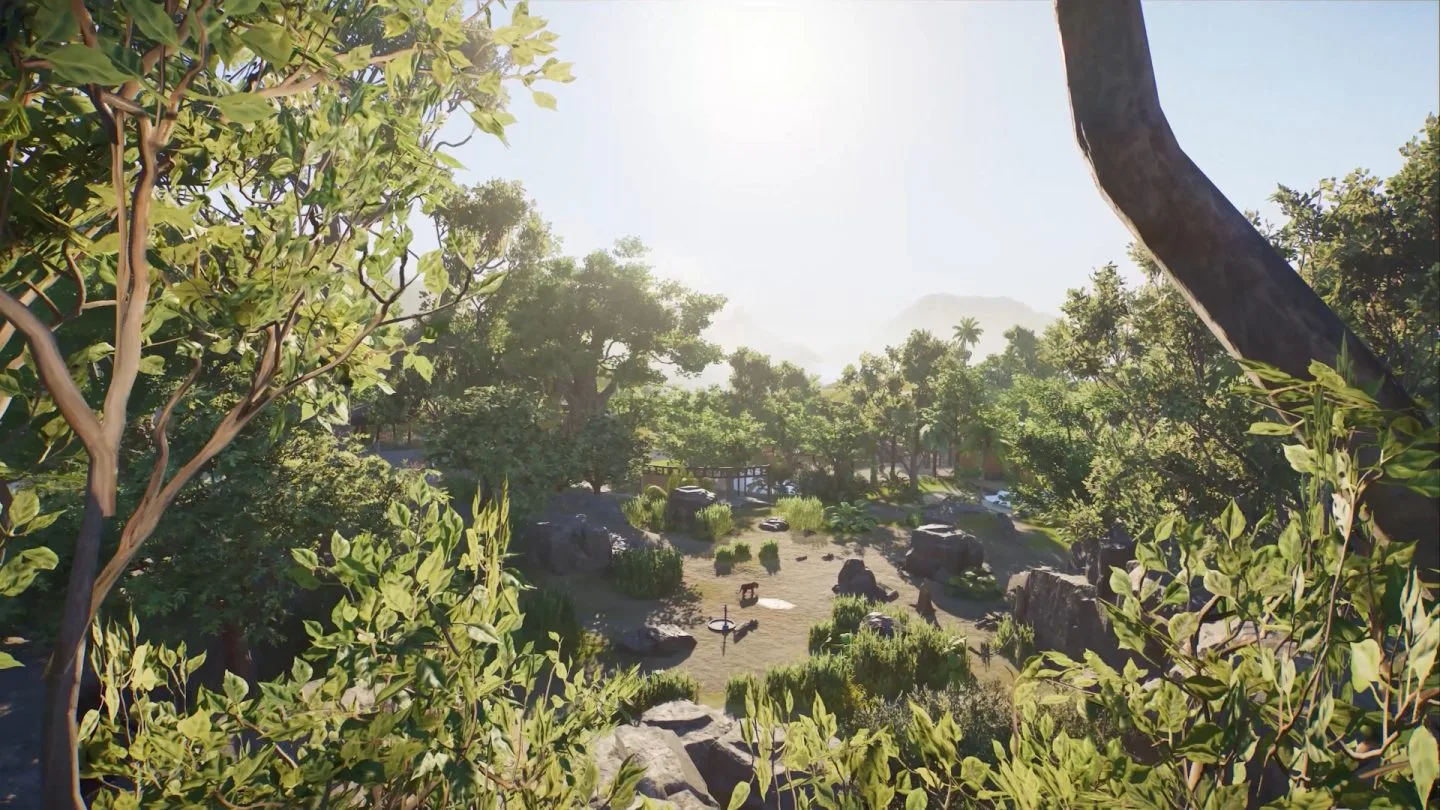
The Indonesian reserve scene provides a concrete example of the forest and water environment you may be working with. It helps you think about connected environmental areas, but it does not prove a numerical ecosystem balance or show that any chosen species is eligible for release there.
Separate visual quality from readiness. A natural-looking landscape may still have an unresolved environmental requirement. Review the actual ecosystem feedback and keep any missing work on your checklist.
Identify the release group that applies to the species
Planet Zoo 2 uses release groups that differ between species. The grouping may be a solitary animal, a breeding pair or a larger group. Do not assume that one animal of every species is a valid release unit.
Find the actual grouping relevant to your project in the game. Record its requirements before choosing individual animals. This keeps you from constructing a group that looks sensible in real-world terms but does not meet the game's conditions.
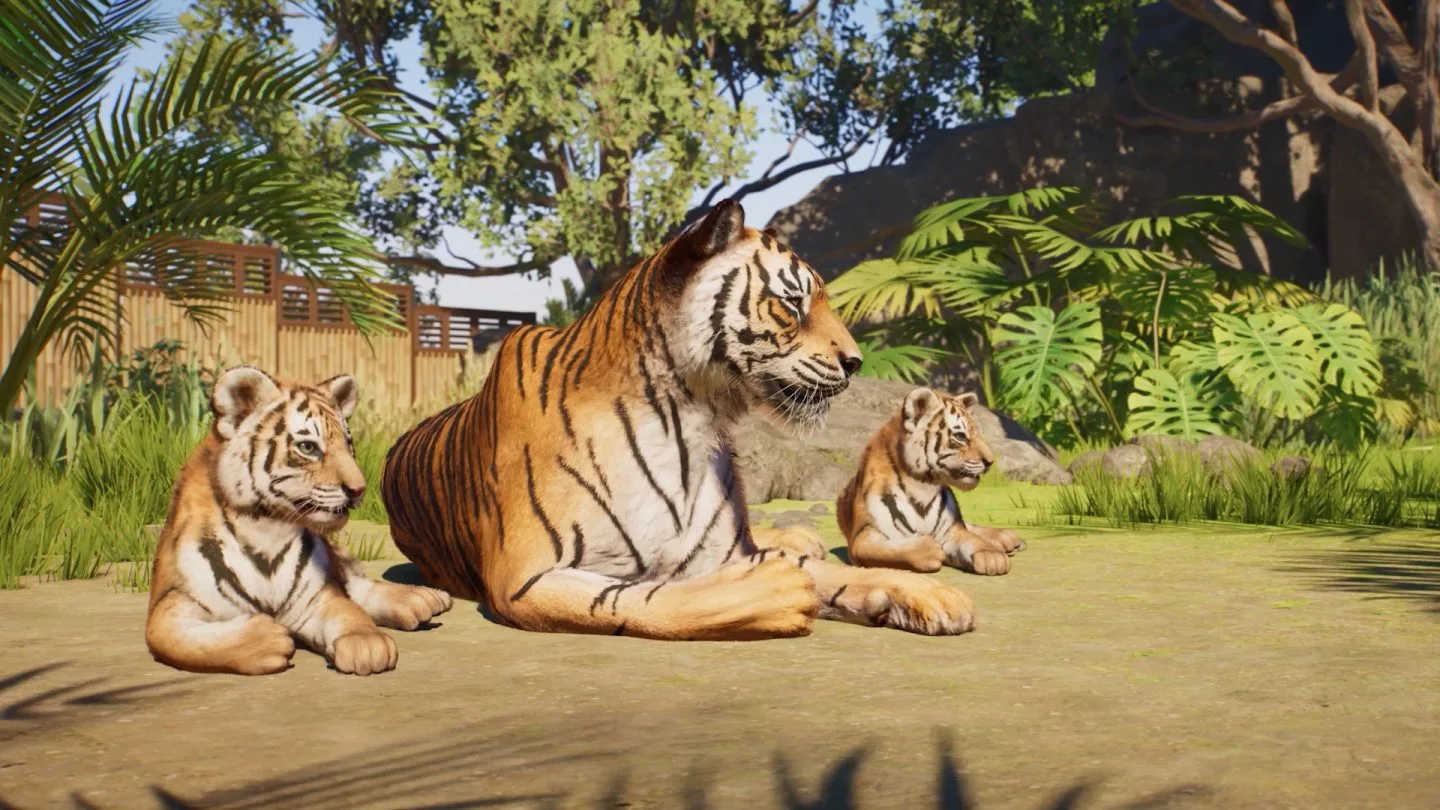
The tiger family illustrates why group composition deserves attention. It is a visual example of adults and young sharing a reserve environment, not proof that this exact family is the required tiger release group.
A release-group requirement and an animal's zoo social needs are related planning concerns, but they should not be treated as identical rules. Check each for its actual purpose. The release project may require a different set of qualifications from ordinary ownership and care.
Check animal suitability without inventing thresholds
Longevity, fertility and genetic diversity are confirmed examples of release requirements. The available prerelease information does not provide species-by-species values or establish that every release group uses the same checks.
Evaluate the candidate animals against the requirement actually displayed for the selected group. Record the exact value or condition when it is available. Avoid importing a percentage or rating from Planet Zoo simply because the attribute name is familiar.
Do not assume that an animal qualifies merely because it appears healthy or belongs to the correct species. A specific conservation project can involve additional conditions beyond basic welfare.
If one animal does not qualify, identify the failed condition before changing the group. That gives you a concrete next action: choose another candidate, improve care where applicable or resolve a different prerequisite. It also prevents repeated trial-and-error transfers based on guesses.
Treat good zoo care as preparation for conservation
Animal welfare matters throughout the project. Access to food and water, enough space, suitable terrain and plants, and social and enrichment conditions remain your responsibility while preparing animals for release.
The confirmed release requirements make care especially relevant. You are not merely collecting animals of the right species; you are supporting animals that need to meet the conditions of a conservation group.
Thriving is a state beyond basic welfare. It requires research and a natural, enriching environment, and thriving animals live longer. This connection can make a care improvement relevant to your project, but this guide does not claim that Thriving automatically grants release eligibility.
Keep each milestone distinct. An animal can have good welfare without qualifying for a particular group. Research can be completed without the destination being ready. A finished habitat can support care while a later conservation requirement remains unresolved.
Resolve the research prerequisite
Research is confirmed to unlock opportunities to release animals into Wildlife Reserves. Vets conduct research, and the Planet Hub helps manage it across locations within the current game mode.
Before planning the final release, identify the relevant species-research requirement shown in your game. This guide cannot name a universal level or research duration for every species.
Connect the research to the destination and the group. If your planned release requires knowledge you have not yet obtained, make that the next research milestone. If the research is already complete, inspect the remaining animal and ecosystem conditions rather than repeating unrelated research work.
Wildlife Reserves also unlock higher levels of species research by generating insight into natural behaviour. The conservation network therefore develops in both directions: zoo research helps prepare release, and reserve knowledge supports further care and progression.
Include the reserve's Research Network in the plan
Research Networks support conservation work and enable more species to be released. Their core is a Research Outpost with a Research Vehicle. Additional equipment includes Observation Platforms, Acoustic Monitors and Camera Traps.
Check the research support relevant to the reserve project. A populated ecosystem and a suitable release group still belong to a larger conservation environment, and its infrastructure should serve the work you intend to do.
The confirmed equipment descriptions explain how animals can be observed and recorded. They do not establish an ideal number of devices or a fixed placement radius. Follow the actual conditions and feedback in your reserve when implementing them.
Keep the network focused. Building equipment everywhere without knowing its purpose makes it harder to understand a blocker. Identify the ecosystem or observation need each addition serves, then review whether it contributes to the project.
Use the Planet Hub to keep the correct locations together
The Planet Hub lets you view and visit your zoos and Wildlife Reserves and manage trading, storage and research within the current mode. Use it to maintain the relationship between the animals' zoo and their planned destination.
Check the location names and the game mode before following a release plan. This guide does not assume that animals or progression move freely between Career, Sandbox and Franchise.
A network with several zoos can make it easy to confuse animals prepared for different projects. Keep a short note for each intended group, including where its animals are currently cared for and which reserve it is meant to support.
The Hub's convenience does not replace local checks. Review the animals where they live and the ecosystem where they will be released. Only then can you judge the combined project as ready.
Perform a final readiness review
Use this review immediately before the actual release action becomes available:
- Confirm the destination reserve and the ecosystem being supported.
- Check the restoration work and applicable environmental conditions.
- Identify the species-specific release group.
- Verify each animal against the group's actual requirements.
- Confirm the relevant species research and conservation prerequisites.
- Review the reserve Research Network where it applies.
- Confirm that the release serves the ecosystem's intended role or population.
- Read the final action and its consequences in the game before committing.
This is a preparation checklist rather than an unverified interface walkthrough. Do not substitute it for information shown by the released game.
If any item remains uncertain, resolve that specific item first. A release is a meaningful step in the animals' journey, so it should not rely on an assumed grouping, an unfinished environment or a guessed threshold.
Diagnose a release that is unavailable
When the release option is unavailable, divide the investigation into research, animals and destination. Those categories help you locate the blocker without assuming every problem is a bad animal statistic.
Check any explicit message first. If it names a missing prerequisite, address that condition directly. If it does not, compare the selected group with the displayed requirements and confirm the intended reserve context.
For the animals, verify species identity, group composition and any applicable attributes. For the destination, check the ecosystem and its environmental preparation. For research, check that the actual requirement for the project is complete.
Avoid making several unrelated changes before retrying. If the action becomes available afterward, you would not know which change mattered. A targeted correction gives you a useful procedure to repeat for future groups.
Observe the outcome after release
Released animals live in the reserve, fulfil their ecological niche, raise young and increase the wild population. The project continues beyond the transfer itself.
Visit the reserve and observe the animals in their environment. The Research Vehicle supports exploration, and you can also move on foot with a compass and camera. Try to observe without disturbing the animals.
Use the reserve's available feedback to assess the ecosystem and biodiversity project. Do not claim a particular credit reward, population growth rate or research yield unless it is actually shown and applicable to that release.
The meaningful result is an eligible group living in the intended ecosystem with the conservation support it needs. Keep observing that result as the reserve develops, rather than treating the release confirmation as the end of every related management task.